
selection guide
Antibiotic stocks and outdated plates
How to retire antibiotic stocks and agar plates for cloning strains when heat, age or drying would fake a lawn or an empty plate.
- Author
- EVRINTH Editorial Team
- Published
- 8 October 2026
- Updated
- 8 October 2026
- Reading time
- 8 min
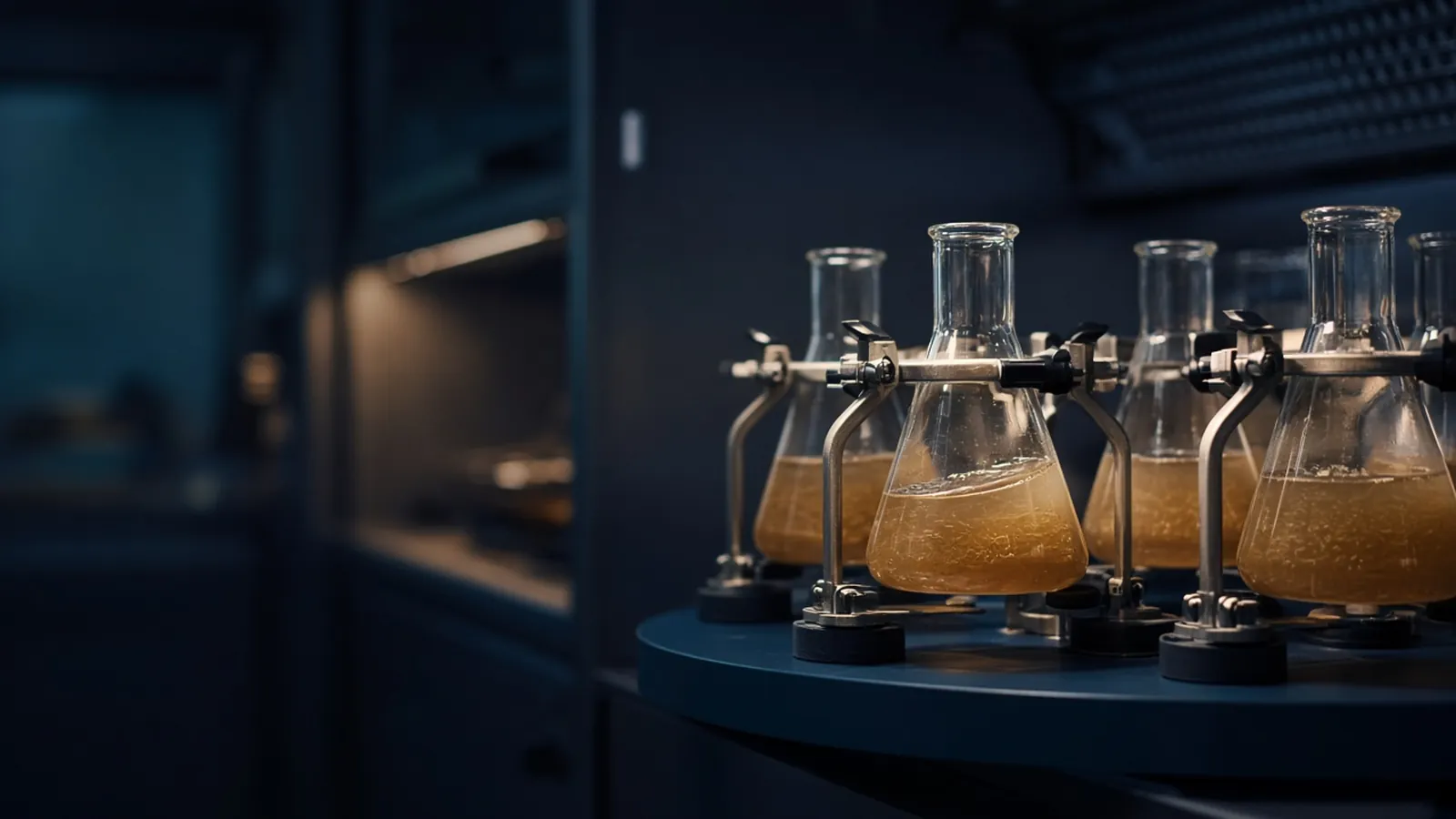
An antibiotic plate is a perishable selective reagent, not a plastic dish with a permanent property. The decision this selection guide supports is whether to trust the stack in the cold room or to discard it before it lies to you. A lie has two faces: a lawn, when the drug has died, and an empty plate, when the agar has dried, cracked, or was so hot it killed the cells you plated. Culture and transformation context is in bacterial culture and transformation. How a living drug is interpreted, including satellite colonies, is antibiotic selection and blue-white screening. The construct you are selecting is plasmid cloning from insert to colony.
Powders, solvents and poured plates are specified from the reagents and chemicals catalogue. Method context is the molecular biology pathway. Marker choice alongside a designed gene can be raised through the custom gene synthesis reference. The specification itself goes to the quote request. A method can be discussed. No expiry in this article is offered as a law of nature.
What heat and water do to a drug in agar
Many cloning antibiotics are unstable once they are dissolved and warm. Ampicillin is the example everyone meets first: the beta-lactam ring hydrolyses, and the hydrolysis is faster at higher temperature and away from the pH the sheet prefers. A plate that still has the right label can have little drug left. Kanamycin is tougher, and people still add it after the agar has cooled, because "tougher" is not "boil it". Tetracycline fades in light. Chloramphenicol is often dissolved in ethanol and has its own storage note. The pattern is to read the sheet for that molecule rather than to inherit ampicillin's habits or to ignore them.
Water activity matters after the plate is poured. A sealed sleeve in the cold keeps the surface moist enough to spread cells and the drug diluted as you poured it. A plate left unbagged in a dry incubator, or in the airflow of a fan, loses water. The surface cracks, colonies fail to form, and whatever drug remains is more concentrated in the water that is left. You can see both false results from one careless shelf: a dried plate with no colonies, and a warm damp plate with a lawn. They are not the same fault and they do not have the same fix.
Autoclaves and what sterilisation does not do is the timing companion. Steam sterilises the medium. It does not spare a heat-labile antibiotic you dissolved into the bottle beforehand. Indicator tape does not report drug activity. Cool the medium, add the stock, mix without introducing bubbles of contamination, and pour.
Stocks are aliquots, not a single bottle you warm every day
Powders keep better than solutions, stored as the manufacturer states, dry and away from the wrong light. Solutions are convenient and mortal. The usual laboratory habit is to dissolve in the solvent class the sheet names, filter if the sheet says the solution must be clear of spores, and freeze single-use aliquots. The solvent is part of the identity. Ampicillin is commonly aqueous. Chloramphenicol is commonly ethanolic. Swapping those solvents because one bottle was open is how a stock precipitates or how you deliver a slug of ethanol into a small culture.
Each thaw is a small heat step. A tube that lives in the fridge door and comes out for every pour is not the aliquot you froze. When the lawns start, that tube is a prime suspect. Retire it. Do not "top it up" with fresh powder into an old solution and hope the arithmetic still describes the concentration. Make a new stock and write the date on it.
Plates inherit the stock's history. A beautiful pour from a dead stock is a rich medium. Write both dates: the day the stock was made and the day the plate was poured. Unknown age is itself a discard criterion. You do not need a universal week count to act on ignorance.
A discard list that does not pretend to be an expiry
Retire a plate or a stock when any of these is true.
The age is unknown. Nobody can say when it was poured or thawed. A selective experiment is a poor way to carbon-date a sleeve of plates.
The plate was stored warm. A bench, a sunny shelf, an incubator someone used as a cupboard. Heat-labile drugs will have suffered. Follow the sheet for the cold temperature it actually asks for, and assume a warm interval counted.
The surface is dried and cracked, or the agar has pulled away from the plastic. Cells will not form the colonies you are competent to interpret. Spreading liquid will run into the cracks and invent streaks.
The stock thawed repeatedly, or thawed once in a power cut and was refrozen without a note. Patchy activity is harder to diagnose than a frank failure. Discard is the cheaper experiment.
The plates were poured with antibiotic before the autoclave, or while the agar was still too hot to hold. The drug's introduction to the medium was a cooking step. Pour a new batch after cooling.
None of these lines is a claim that every cold, dated, moist plate is magically in date. The sheet may still set a shorter life. Obey the sheet when it is stricter. This list is the floor: below it, do not argue.
The false result each defect prefers
| Defect you can see or know | False result it favours | What you might wrongly conclude |
|---|---|---|
| Ampicillin solution thawed over and over | Background growth, satellites, or a lawn | The strain is resistant, or the transformation was wonderfully efficient |
| Plate stored warm for an unknown time | Lawn on sample and on the no-DNA control | Every cell took up DNA |
| Dried, cracked agar | No colonies, including from a trusted plasmid | The cells or the ligase failed |
| Antibiotic boiled with the agar | Lawn, often of healthy-looking colonies | Selection worked and the plasmid is everywhere |
| Agar still scalding when cells were spread | No colonies, cells killed on contact | The DNA was bad |
| Right drug, fresh plate, no-DNA control clear | Colonies only where DNA was added | A candidate exists; the insert is still unproven |
How to tell the lie from the biology
Always incubate a no-DNA plate from the same sleeve. A lawn there means the drug or the technique failed, and sample plates from that sleeve are not transformation data. A clear no-DNA plate and a clear known-plasmid plate means the plates may be selective and also hostile: too dry, too concentrated, or the cells died. Swap in one fresh plate with the same known plasmid before you throw out the DNA. A clear no-DNA plate and colonies from the known plasmid means this sleeve can still tell the truth. Trust it for that day's candidates, and still confirm inserts.
Do not "rescue" an outdated plate by adding a splash of antibiotic to the surface. The dose will be a puddle, not a concentration, and the contamination risk is silly. Pour again. Public notes such as the Addgene molecular biology reference name these reagents in the same language your notebook should use: molecule, solvent, date.
Chemicals, not a casual spill
Antibiotic powders and stocks are fine chemicals. Weigh them with the precautions on the safety sheet. Ethanol stocks are flammable. Some powders are sensitisers. This guide is about research selection in K-12 cloning strains. It is not a clinical dosing note, not advice on treating an infection, and not permission to select a pathogen. Waste plates and leftover stocks go into the chemical and biological waste streams your institution already runs. The WHO Laboratory Biosafety Manual is a reference for the people who own that decision.
ATCC culture guides remind recipients that revived collection strains are checked, not assumed. An outdated plate is one more assumption to drop.
Freezers that warm and fridges that never got cold
A power cut turns a freezer of aliquots into a thaw. When the power returns, the tubes may look frozen again. They are a different reagent. Mark the whole box and remake the heat-labile stocks rather than discovering the thaw as a week of untrustworthy plates. A domestic fridge that is merely cool, or a cold room that climbs every afternoon, shortens plate life without ever looking broken. Put a thermometer in the place the plates actually sit. The set point on a sticker is not the temperature of the stack.
Humid heat also swells labels and unsticks tape. A plate whose antibiotic name has smeared into unreadability joins the unknown-age pile. Discard it. Pouring day labels written in solvent-proof ink on the base survive better than a paper tag on the sleeve.
What the enquiry must make unambiguous
Name the molecule, the solvent class, whether the sheet says it is autoclave-stable, the host, the marker gene, and whether you need powder, frozen stock or poured plates. Say how the goods will be stored on arrival if the room is hot. Ask for the storage specification and the post-autoclave instruction in writing. Use the quote request. A method can be discussed. Supplier collections such as Promega protocols show the level of detail a serious sheet contains. Ask for that level. The custom gene synthesis page is only in the conversation when the marker is being chosen with the DNA. It does not mean a synthesis is already booked.
Questions from the bench
How long can an ampicillin plate be kept?
There is no honest universal life in weeks. Ampicillin is heat-labile and plates stored warm lose it sooner than plates kept cold. Follow the antibiotic sheet and your laboratory's written limit, and discard plates of unknown age rather than discovering the limit as a lawn. A pour date on the base is what makes that decision possible.
Why are some antibiotics added only after autoclaving?
A heat-unstable drug that goes through the cycle is no longer the drug you weighed. The agar looks selective and is not. Cool sterilised medium until you can handle the bottle, then add a filter-clarified stock and mix. The timing is the point of the autoclave article: sterilising the medium is a different step from keeping the antibiotic intact.
A stock thawed on the bench three times. Can I still use it?
Treat repeated thawing as damage, especially for ampicillin. Each warm interval is a chance for hydrolysis. You may still have some activity, which is worse than none, because selection becomes patchy and satellites or background appear without a clean failure. Make a fresh aliquot from powder or from a stock that has stayed frozen, and retire the cycled tube.
What should the enquiry say about the antibiotic itself?
Name the molecule, the solvent class the sheet uses, whether it survives autoclaving, the host and the marker, and whether you need powder or plates. Ask for the storage specification in writing. A method can be discussed from those points. A request that says only antibiotic for E. coli will be ambiguous.
References
Manufacturer names identify published method classes. Trademarks remain with their owners. Catalogue records on this site are independent references for enquiry. They are not a statement of inventory, distribution rights or a supply commitment. This page is educational. It is not medical advice, a diagnostic protocol or a biosafety approval.
Catalogue
Related products and categories
These links follow the subject of the article into published manufacturer references. A listing is a reference for an enquiry, not a statement of stock or distribution rights.
Continue in this cluster
Related reading
Bacterial culture and transformationHow non-pathogenic E. coli cloning strains are grown and how plasmid DNA is introduced, with the controls that make a colony meaningful. Autoclaves and what sterilisation does not doSteam sterilisation holds a cleaned load at temperature. It does not wash, remove endotoxin, or prove sterility because the tape changed colour.
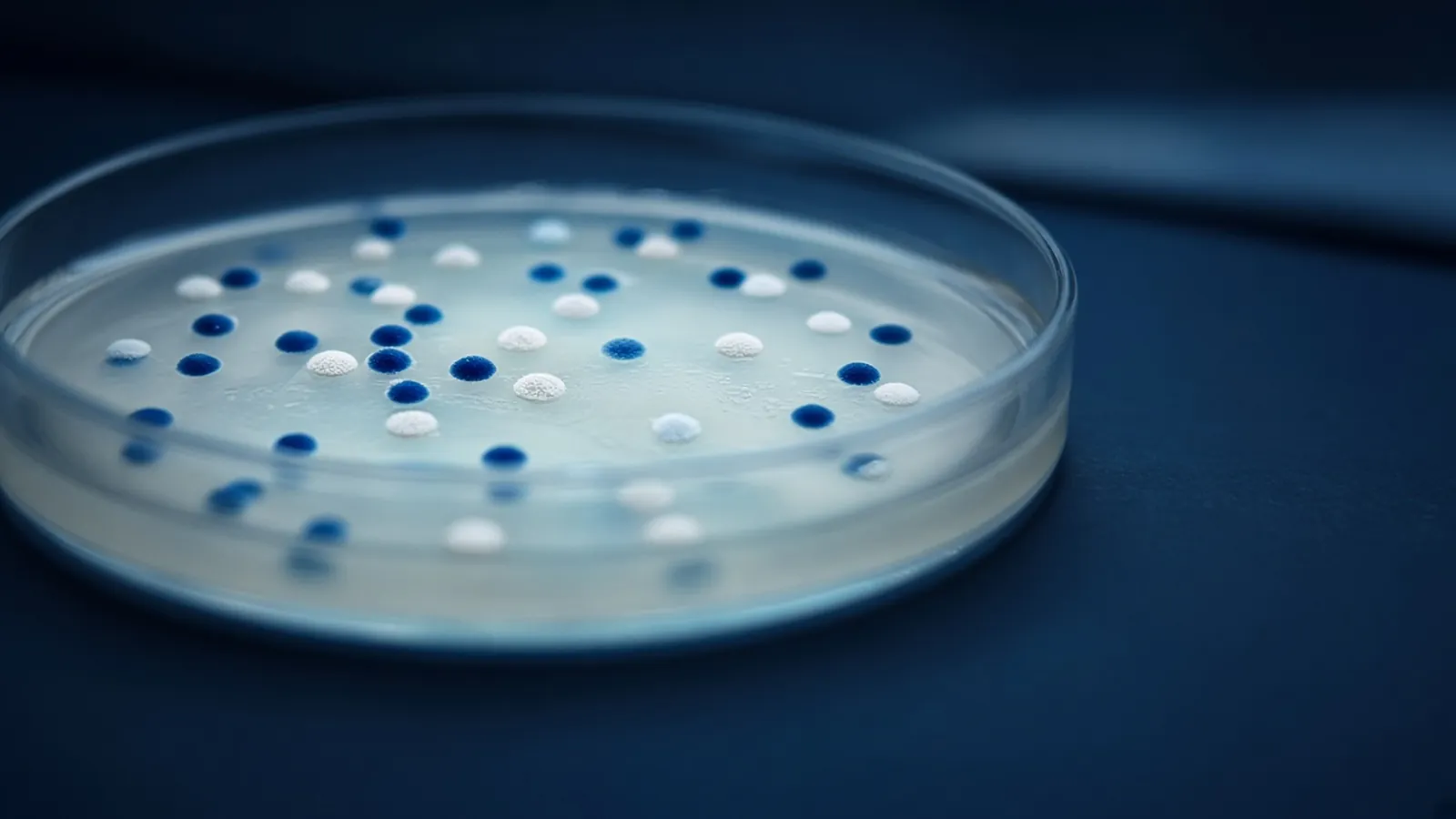 Antibiotic selection and blue-white screeningHow antibiotic plates keep a plasmid in a cloning strain, and why a white colony on X-gal is a candidate rather than proof of the insert.