
selection guide
Biosafety for non-pathogenic cloning work
Disabled K-12 cloning strains are still living bacteria. This page lists practices that match low-risk plasmid work and leaves the containment level to the
- Author
- EVRINTH Editorial Team
- Published
- 8 October 2026
- Updated
- 8 October 2026
- Reading time
- 8 min
A disabled laboratory strain is still a living bacterium that divides, spills, and survives on a bench longer than the person who spilled it remembers. The decision this selection guide supports is which everyday practices match plasmid work in a non-pathogenic E. coli cloning strain, and which changes to the strain or the insert must go back to the committee before anyone thaws a tube. How those strains are grown and transformed is the subject of bacterial culture and transformation. The wider barrier stack, from assessment to personal protective equipment, is biosafety basics for research benches.
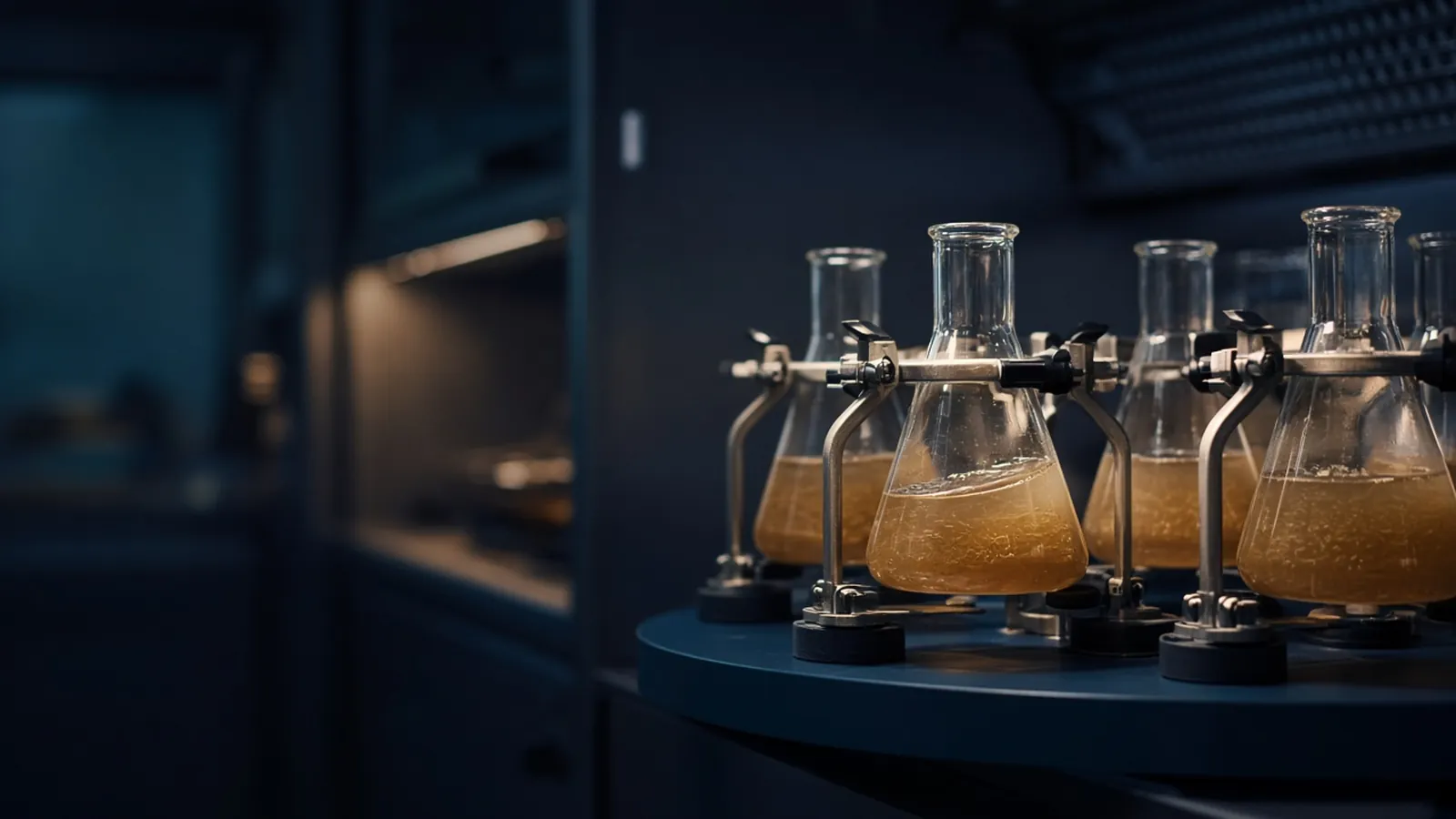
The hero photograph shows amber culture in Erlenmeyer flasks on a shaker. That volume is still the organism your institution assigned, only more of it. Reagent classes sit in the reagents and chemicals catalogue. Method context sits on the molecular biology pathway. A design question about the DNA can be framed with the custom gene synthesis reference as an enquiry, not as a statement that synthesis is running. Packaging and strain identity go through the quote request.
The assignment stays with the institution
Risk group and biosafety level are decisions a committee makes for a specific organism, a specific insert, a specific procedure and a specific room. A knowledge-centre page cannot make them. Many institutions treat standard K-12 cloning hosts, and expression hosts of a similar disabled class, as low-risk laboratory bacteria when the plasmid carries an ordinary research insert. That sentence is a description of a common pattern. It is not a declaration that your strain is safe, and it is not a finding that your insert is ordinary.
Read the genotype you actually have. recA, endA, hsdR and lacZ delta M15 are cloning conveniences. They are not a substitute for the institutional list. BL21-type expression hosts are chosen so a strong promoter can make protein. They remain bacteria. If the vial name and the paperwork disagree, do not guess. The WHO Laboratory Biosafety Manual is a public reference committees use. It does not apply itself to your building. Collection strains arrive with handling context from guides such as the ATCC culture guides. Revive them under the rule you were given, not under a rule you inferred from a nickname.
Practices that match low-risk cloning work
Mouth pipetting is finished as a technique. A pipette aid is the tool, including for the harmless-looking recovery broth. Food and drink stay out of the room where plates are poured and where flasks are opened. Coats stay on for the work and off for the canteen. Gloves are whatever the assessment names. Touching a phone, a notebook and a culture with the same glove is how a "clean" write-up becomes a contaminated page.
Surfaces that held a flask, a spreader or a drip get disinfected with the agent and the contact time the safety office already chose. A quick wipe that dries in a second is not that contact time. Loops and spreaders that touched culture are waste, not rinses in the sink. Spills are covered and disinfected according to the spill card, then the waste goes into the stream the card names. Aerosols from a vigorous shake of a broken flask, or from sonication later in an expression workflow, are part of the procedure description the committee saw. If sonication was not in the assessment, it is a change.
Flasks are labelled with the strain and the plasmid marker, not only with a person's initials. A shaker full of "mine" and "yours" is how an unreviewed culture inherits a cloning-strain assumption. Transport inside the building uses a secondary container. The Addgene protocols collection shows ordinary cloning manipulations. It does not assign your containment.
What pushes the work into a new assessment
Three changes are common and easy to under-describe. The first is the insert. A toxin, a virulence factor, or a gene the committee has not seen is a new organism-plus-insert even when the chromosome is still K-12. The second is the resistance pattern. Adding a marker the institution treats as sensitive, or stacking resistances the waste rule was not written for, is a change. The third is the organism itself. A clinical isolate, an environmental strain, or a pathogen is not a cloning host that happens to grow on the same broth. Do not park it in the cloning incubator because the flasks fit.
Volume matters in the assessment even when the strain does not change. A few plates are not the same procedure as litres of culture. If the work scales, tell the committee before the scale arrives. Teaching labs have their own rules about who may handle the plates. A visitor does not inherit the host laboratory's assignment by standing at the bench.
Background on how a bacterium is organised, which is useful when you read a genotype, is in the NCBI Bookshelf edition of Molecular Biology of the Cell. That text does not classify your project.
Choosing a practice because of the risk it closes
| Practice | The risk it is there to address |
|---|---|
| No mouth pipetting | Ingestion of culture or of antibiotic stock |
| No food, drink or cosmetics at the bench | Transfer between people and plates, in both directions |
| Disinfect the bench after spills and at the end of the session | Dried culture and plasmid DNA left for the next user |
| Inactivate waste by the method the institution names | Live organisms, and sometimes active antibiotic, leaving in ordinary rubbish |
| Label strain, plasmid and marker on the vessel | A mix-up that puts an unreviewed culture under a cloning-strain habit |
| Resubmit when the insert, the resistance or the organism changes | A project that has left the assessment that was actually approved |
| Secondary container when you walk flasks through the corridor | A drop that becomes a public-area spill |
Use the table as a checklist against your own rule, not as a new rule. If the institutional card is stricter, the card wins. If the card is silent, ask. Silence is not permission.
What this page will not certify
It will not tell you that a strain is harmless because a vendor description says "cloning". It will not tell you to skip disinfection because the strain is disabled. It will not give you a disinfectant dilution. The safety office names the product, the working dilution class and the contact time. It will not tell you to move work into a cabinet or out of one. Working inside a biosafety cabinet explains cabinet technique for people whose assessment already places them there.
Antibiotics and disinfectants are chemicals with their own hazards. A resistance marker is a research tool inside the assessment, not a reason to generate a resistance pattern the waste contractor has not been told about. Gloves and coats are barriers. They are not a classification.
Heat, handoff, and paperwork that travels
A strain vial or a stack of plates that sits on a hot loading dock is both a viability problem and a containment problem. The box can leak, the ice can melt, and the label can separate from the secondary container. A sourcing note should name the strain and the institutional assignment so packaging can be discussed before that handoff. State a temperature class for transit. State who is allowed to open the parcel on arrival. A nickname on a waybill, with no assignment, invites the receiving laboratory to invent a level.
Power cuts matter because a shaker that stops is still full of live culture when the lights return. The flasks do not become ordinary reagents in the dark. Deal with them under the same waste and spill rules you use on a normal afternoon. Humidity that defeats a freezer seal can thaw a glycerol stock into a wet carton. Treat a thawed, unlabelled carton as a spill to be assessed, not as a box to sort with bare hands over lunch.
What a sourcing note should carry
Name the strain, the genotype features you rely on, the assignment your institution has already made, the form you need (plate, stab, glycerol, or competent cells), and the temperature limit. Say whether the plasmid marker changes anything the committee asked you to declare. Ask for the written specification of the medium or the strain documentation that will arrive with it. Containment packaging can be discussed once those fields are filled. Send them with the quote request. If the insert still has to be designed, use the custom gene synthesis page as a reference for the questions to ask, and keep the institutional assignment attached to the strain that will eventually receive that DNA.
Questions from the bench
Does a K-12 genotype mean the institution has nothing left to assign?
A published cloning genotype is one input to a risk assessment, and it is not the assessment. The insert, the antibiotic markers, the volume, and the chance of a splash still sit with the committee that owns the laboratory. This page will not call a named strain safe, and a catalogue description should not do that either.
When does ordinary plasmid work leave the cloning-strain class?
When the DNA encodes a toxin, a virulence factor, or a resistance pattern the committee has not already accepted, the work is a new assessment even if the host chromosome still says K-12. The same is true if someone proposes to swap in a clinical isolate because the shaker is free. Stop and resubmit the description of the organism and the insert.
Should cloning plates be opened on an open bench?
Follow the institutional rule for that strain and that procedure. Many laboratories handle standard cloning strains on the open bench with a coat, gloves as specified, and surface disinfection, and they move to a cabinet when the assessment or the aerosol risk says so. The barrier stack is explained in the biosafety-basics article. A habit from a neighbouring room is not a classification.
What belongs on a sourcing note so packaging can be discussed?
Write the strain name, the genotype features that matter, the institutional assignment already given to that strain, the physical form you need, and any temperature limit on the handoff. Packaging can be discussed from that note. A strain nickname without the assignment leaves the receiver guessing which rule applies.
References
Manufacturer names identify published method classes. Trademarks remain with their owners. Catalogue records on this site are independent references for enquiry. They are not a statement of inventory, distribution rights or a supply commitment. This page is educational. It is not medical advice, a diagnostic protocol or a biosafety approval.
Catalogue
Related products and categories
These links follow the subject of the article into published manufacturer references. A listing is a reference for an enquiry, not a statement of stock or distribution rights.
Continue in this cluster
Related reading
Bacterial culture and transformationHow non-pathogenic E. coli cloning strains are grown and how plasmid DNA is introduced, with the controls that make a colony meaningful.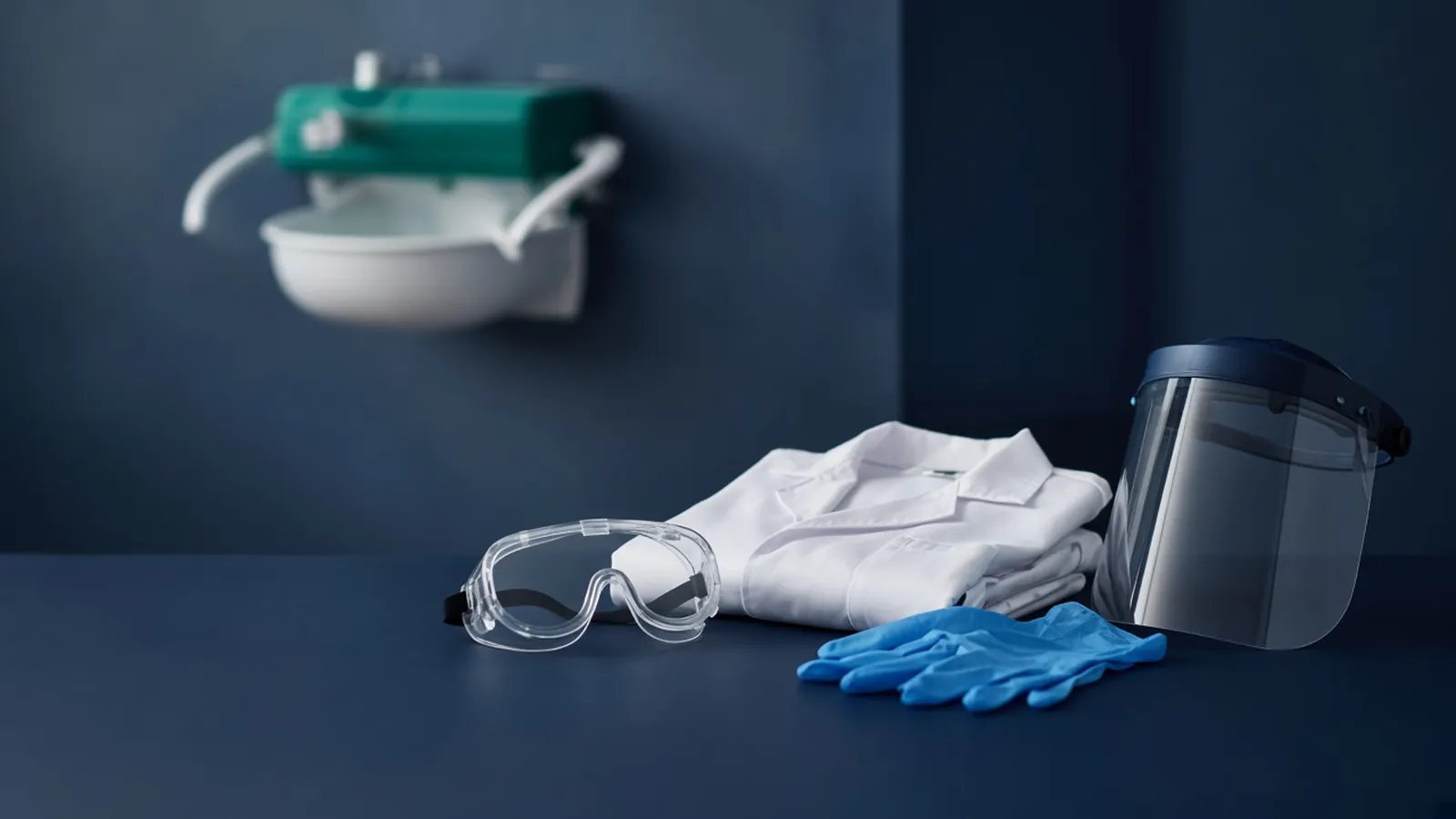 Biosafety basics for research benchesResearch-bench biosafety is a stack of barriers chosen by a risk assessment. This page explains the stack. It does not approve the work.A glossary of bench microbiology termsPlain definitions of colony, lawn, streak, pellet, transformant and the other bench words a cloning afternoon depends on.