
protocol overview
Storage of antibodies after the first thaw
Aliquot before the first thaw, freeze once, and thaw a working tube on ice. The vial sheet sets the temperature. A warm shipment stays quarantined.
- Author
- EVRINTH Editorial Team
- Published
- 8 October 2026
- Updated
- 8 October 2026
- Reading time
- 11 min
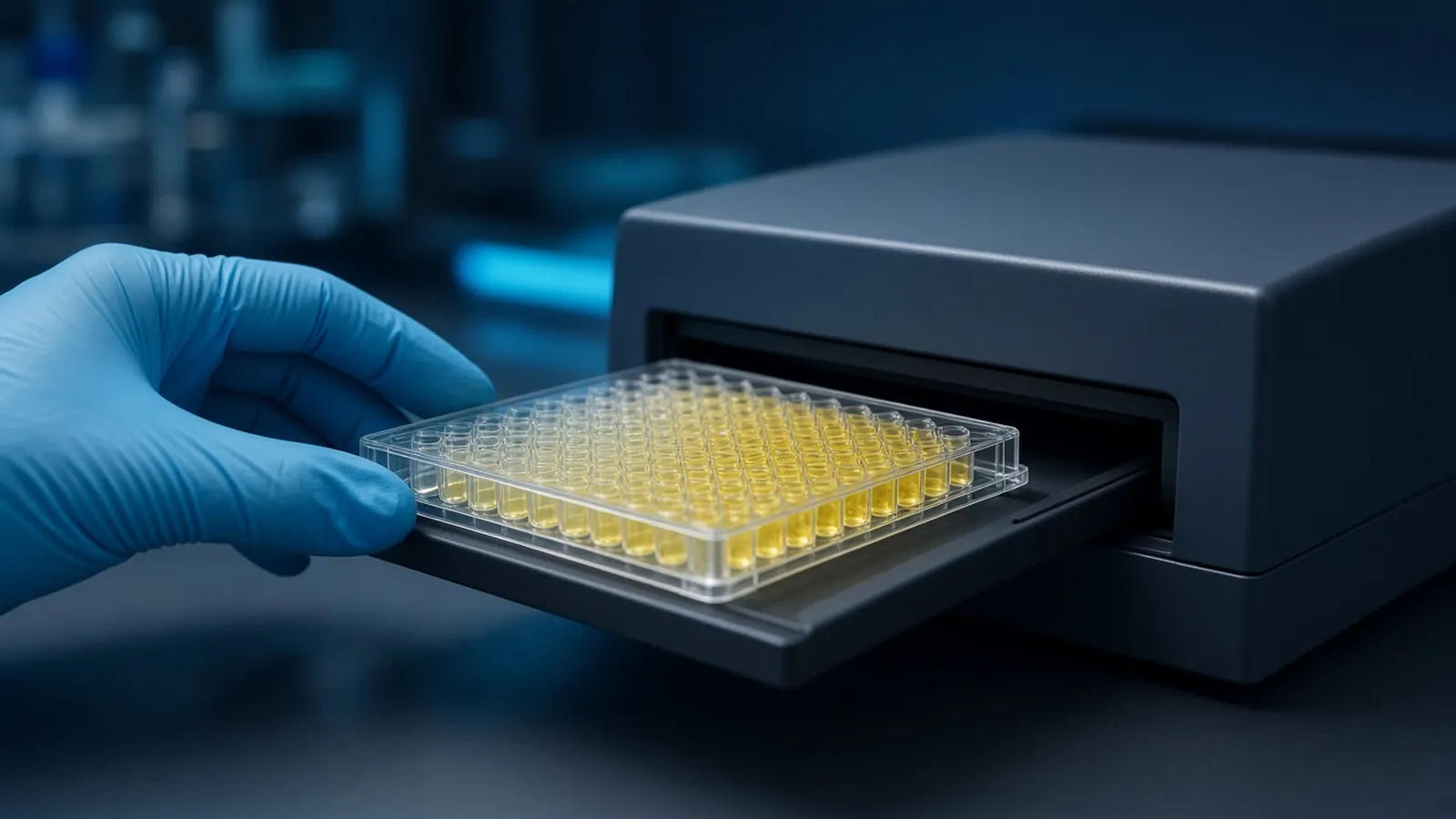
Storage of antibodies after the first thaw is the moment a vial stops being a delivery and becomes a series of future plates. Most antibody stocks are stored frozen because the manufacturer says so, often around minus 20 degrees Celsius or colder. Some liquid formulations are meant to stay refrigerated and are harmed by freezing. The sheet in the box is the limit. This page is the handling around that sheet: aliquot before the stock is committed, do not cycle a frost-free box, and do not put a warm parcel into the same rack as intact lots. Cold-chain thinking for samples in general is in storing biological samples from fridge to freezer. How a stored antibody later behaves on a plate is in ELISA formats, controls and readout, and how you check that it still sees the target is in choosing and checking a primary antibody. No stability interval in months is stated here as a fact. If the sheet gives one, that is the interval you may quote.
What the first thaw is deciding
Until the seal is broken, the lot is whatever the manufacturer released, plus whatever the journey did to it. The first thaw is when you choose between one tube that will be warmed, opened, and refrozen for months, and a set of single-use aliquots. The single-use choice costs tubes and a few minutes. The shared-stock choice costs you an untraceable drift: plates get noisier, blanks rise, or a standard curve collapses, and the antibody is the last thing people blame because it worked in March.
Immunoglobulin is a protein. Ice, concentration of solutes as water freezes, and the warm interval while a tube waits in a gloved hand all perturb structure. Some clones tolerate this. Some aggregate. Aggregates stick to plastic and raise nonspecific binding, which you will experience as background. Unfolded binding sites lose signal. You cannot see which fate you drew by looking at the liquid. You prevent the repeated insult instead.
Glycerol and other cryoprotectants appear in some formulations. They change how the liquid freezes and how viscous the pipette feels when cold. They are not permission to leave the tube at room temperature. Follow the sheet for both the freezer and the bench interval.
A receiving branch that starts before the aliquot
Open the shipper where the freezer or the refrigerator is within reach. Read the sheet temperature before you read the product name. If the indicator, the ice, or the vial itself says the shipment warmed past what the sheet allows, label the parcel quarantined and keep it out of the working box. A quarantine is a location and a note, not a feeling. Record lot, date received, and the condition you observed.
If the shipment matches the sheet, you may aliquot. Work cold. Thaw the stock once, on ice, only when you are ready to dispense. Pre-label tubes with lot, date, and the word stock or working. Dispense the volume you actually use on a plate, plus a little for the pipette, so a working tube is emptied rather than returned. Freeze the aliquots promptly under the sheet conditions. Do not leave a rack of open tubes in a warm room while you answer a message. Protein at the air-liquid surface, in a small volume, is an easy place to lose activity even before the freezer.
A liquid product that the sheet says to keep cold and never freeze stays in the refrigerator the sheet names. Split it only if splitting is allowed, with sterile or clean technique appropriate to the later assay. The ATCC culture guides are a reference for how cell stocks are received and banked, which is a useful parallel for the quarantine habit even though an antibody is not a culture. Do not apply a cell-freezing programme to an antibody that the sheet forbids you to freeze.
Frost-free cycles and the door shelf
A frost-free freezer periodically warms its coils to remove frost. Tubes near the door see that wave most clearly, and they also see every time a colleague stands with the door open. Antibody aliquots belong in a box toward the body of a unit that is meant to hold a set temperature, not in the door next to a frequently moved rack. If the only freezer you have is frost-free, say so in the method record, use small aliquots so each is thawed once anyway, and do not pretend the box is isothermal.
Minus 80 degrees Celsius storage is sometimes what a sheet requests for longer holding. It is not automatically kinder than the minus 20 degrees Celsius the sheet asked for, and it is not a place to put a formulation that must not be frozen. Transferring a refrigerated liquid into an ultra-low freezer to be safe is a good way to destroy it. Read the verb on the sheet: store frozen, or do not freeze.
Defrosting a freezer is a planned disaster for unmarked tubes. Move antibody aliquots to a holding box on dry ice or into a second freezer before the defrost, and note the move. A tube that thawed in a puddle during a weekend defrost is a quarantined tube.
The working thaw
On the day of the assay, take one working aliquot. Thaw it on ice. Invert or flick gently. Do not vortex a protein you hope is still folded, unless the sheet says mixing that way is acceptable. Keep the tube on ice while you dilute it into the assay buffer. The dilution, once made, follows the assay protocol for how long it may sit. Many diluted antibodies are used the same day and not saved. The stock aliquot does not go back to the freezer with a smaller volume and a new history.
Write the lot on the plate map. A later high blank or a dead curve is interpretable only if you know which tube touched the plate. Blocking buffer has its own storage. A spoiled blocker looks like an antibody failure. Date the blocker and do not store it in the antibody box without a label. People have blocked plates with antibody by picking up the wrong tube from an unlabelled rack.
Sodium azide is present in many antibody stocks as a preservative. This page does not dose it and does not tell you to ignore it. Read the vial before you add the antibody to live cells or to a horseradish peroxidase system, because azide is a separate problem from freeze-thaw. The assay may need a stock that was prepared without it, or a removal step the protocol and the safety sheet both allow. Mentioning it here is only so the storage note is not the last time you look at the label.
Enzyme-conjugated antibodies often have stricter handling than bare immunoglobulin. Peroxidase conjugates in particular dislike some preservatives and dislike being left warm. Promega protocols show how enzyme reagents are usually accompanied by storage sentences. The conjugate sheet wins over a generic antibody habit.
Mistakes and the plate symptom they imitate
| Storage mistake | What the next assay can look like |
|---|---|
| Repeated freeze-thaw of the only stock | Falling signal, or a rising blank from aggregates, drifting over weeks |
| Frost-free door cycling | The same drift without anyone remembering a thaw |
| Frozen, although the sheet said refrigerate only | Sudden loss of the curve on the first use after freezing |
| Left thawed on a hot bench all afternoon | A single bad day, or a stock that never works again if it was the only tube |
| Warm shipment placed with intact lots | A quiet change in level that you cannot date |
| Working dilution saved and reused | Background or signal changes that track the dilution tube, not the biology |
| Label without a lot | You cannot bridge a new delivery to the old plates |
| Azide ignored because the freezer note was the only note you read | Peroxidase stays blank, or live cells die, which is not a freeze-thaw symptom |
When the plate already looks stored-to-death
If signal fell after a known series of thaws, retire the cycled tube and open a fresh aliquot or a new lot. Bridge them on one plate with the same control sample so the shift is visible. If the blank rose and the antibody was vortexed or left warm, treat aggregates as a candidate and centrifuge only if the sheet allows you to clear them. Do not filter an antibody through a random membrane and hope. If a whole freezer warmed during a power cut, every tube in it is in quarantine together. The ones on the door are not secretly fine.
Diluent and blocker stored in the same incident need the same honesty. A control sample that also lived in that freezer cannot validate the antibody, because it shared the insult. Use a control that was elsewhere, or accept that you are starting a new baseline.
Method notes on protocols.io often include a storage line next to the antibody identity. Copy that completeness into your own notebook.
Safety
Preservatives in antibody stocks are toxic. Sodium azide is a chemical hazard as well as an enzyme inhibitor. Do not mouth-pipette, and do not dispose of azide solutions down a drain that the institution has not approved for that waste. Freezers are not a safety control for a poison. They only slow protein damage. Specimen antibodies and antibodies raised against pathogens follow the biosafety rules that apply to the immunogen and the sample. The WHO Laboratory Biosafety Manual is a public reference for building those rules. It does not set your freezer set-point. The vial sheet does.
Shipping heat and a freezer that warmed
A courier van in hot weather can defeat a thin shipper before the parcel reaches the bench. Specify frozen or cold handling in the enquiry when the sheet requires it, and inspect on arrival. A warm vial goes to quarantine even if the ice pack is only partly soft and someone argues it is probably fine. Probably fine is how a damaged lot enters the published data.
Power cuts do the same thing inside the building. An ultra-low freezer that warmed and then cooled again does not announce which tubes thawed. If you have no independent temperature log, treat the contents as excursion material until a control says otherwise. Move critical aliquots only when you can keep them frozen during the move. Dry ice is a handling system with its own burn and ventilation hazards. Use it under local rules. Do not store aliquots in a domestic frost-free unit at a colleague's house as a favour during a long outage and then return them to the study unmarked.
Record the outage in the same book as the lot numbers. Future you will need the date when a curve shifted.
What to ask before the vial is shipped
State the storage temperature you can actually provide, whether you can aliquot on arrival, and whether the formulation must remain unfrozen. Ask the reply to restate the sheet conditions and the preservative identity, especially if live-cell or peroxidase work follows. The reagents and chemicals catalogue is a place to browse reagent classes. The molecular biology pathway is the methods context. Send the constraint with the quote request and ask whether a quotation is possible. A method can be discussed together with the storage constraint. Ask for the arrival condition and the lot documents. Do not treat a freezer you hope to borrow as if it were already part of the method.
Receive an antibody and split it before the stock is thawed again
- 01Receive and hold the shipment at the temperature the sheet namesOpen the shipper in a place where you can move the vial straight to the stated storage. If the parcel is warm against a sheet that required frozen transport, quarantine it and record the condition. Do not put a suspect vial straight into the working stock.
- 02Record the lot, the date and the sheet temperatureCopy the lot onto the freezer box and into the assay notebook before you aliquot. Note whether the sheet asks for around minus 20 degrees Celsius, colder storage, or a refrigerated liquid that must not be frozen.
- 03Aliquot cold, then freeze the stock onceWhile the material is still cold, dispense working volumes into labelled tubes. Freeze those aliquots once under the sheet conditions. The tube you will open next week should not be the only stock.
- 04Thaw one working aliquot on ice and do not refreeze itThaw the working tube on ice, mix gently, and hold it at the short-term temperature the sheet allows while you pipette the plate. Discard the remainder at the end of the use the protocol defines, rather than returning it to the freezer.
Questions from the bench
Why not thaw the stock each time I need a few microlitres?
Each freeze-thaw cycle unfolds a fraction of some antibodies and can raise background or kill signal on a later plate. The damage is not the same for every clone, which is why the sheet, not a folk number of cycles, is the limit. Aliquots make the cycle happen once.
Our freezer is frost-free and convenient. Is that a problem?
Frost-free freezers warm-cycle to clear ice. That cycling is a slow freeze-thaw you did not plan. Store antibodies in a freezer that holds temperature, or in the box the sheet specifies, rather than in the door of a cycling unit.
The sheet says the liquid is stable in the refrigerator and must not be frozen. What then?
Do not freeze it to be careful. Follow the sheet. Aliquot only if the sheet allows splitting, keep the tubes at the refrigerated temperature it names, and still avoid warming the stock on the bench for the whole afternoon. A working tube can be the one that risks the bench. The stock stays cold.
A shipment arrived warm. Can I run one plate to see if it is fine?
You can test it only as a quarantined lot, against a control you trust, and you should not mix those results with the previous lot as if nothing happened. If you have no control, you do not have a test of damage. Record the excursion and ask the supplier what the sheet defines as still usable. Do not invent a number of hours that are safe.
References
Manufacturer names identify published method classes. Trademarks remain with their owners. Catalogue records on this site are independent references for enquiry. They are not a statement of inventory, distribution rights or a supply commitment. This page is educational. It is not medical advice, a diagnostic protocol or a biosafety approval.
Catalogue
Related products and categories
These links follow the subject of the article into published manufacturer references. A listing is a reference for an enquiry, not a statement of stock or distribution rights.
Continue in this cluster
Related reading
ELISA formats controls and readoutELISA formats, controls and readout: how direct, sandwich and competitive assays turn a binding event into a number that stays inside the curve.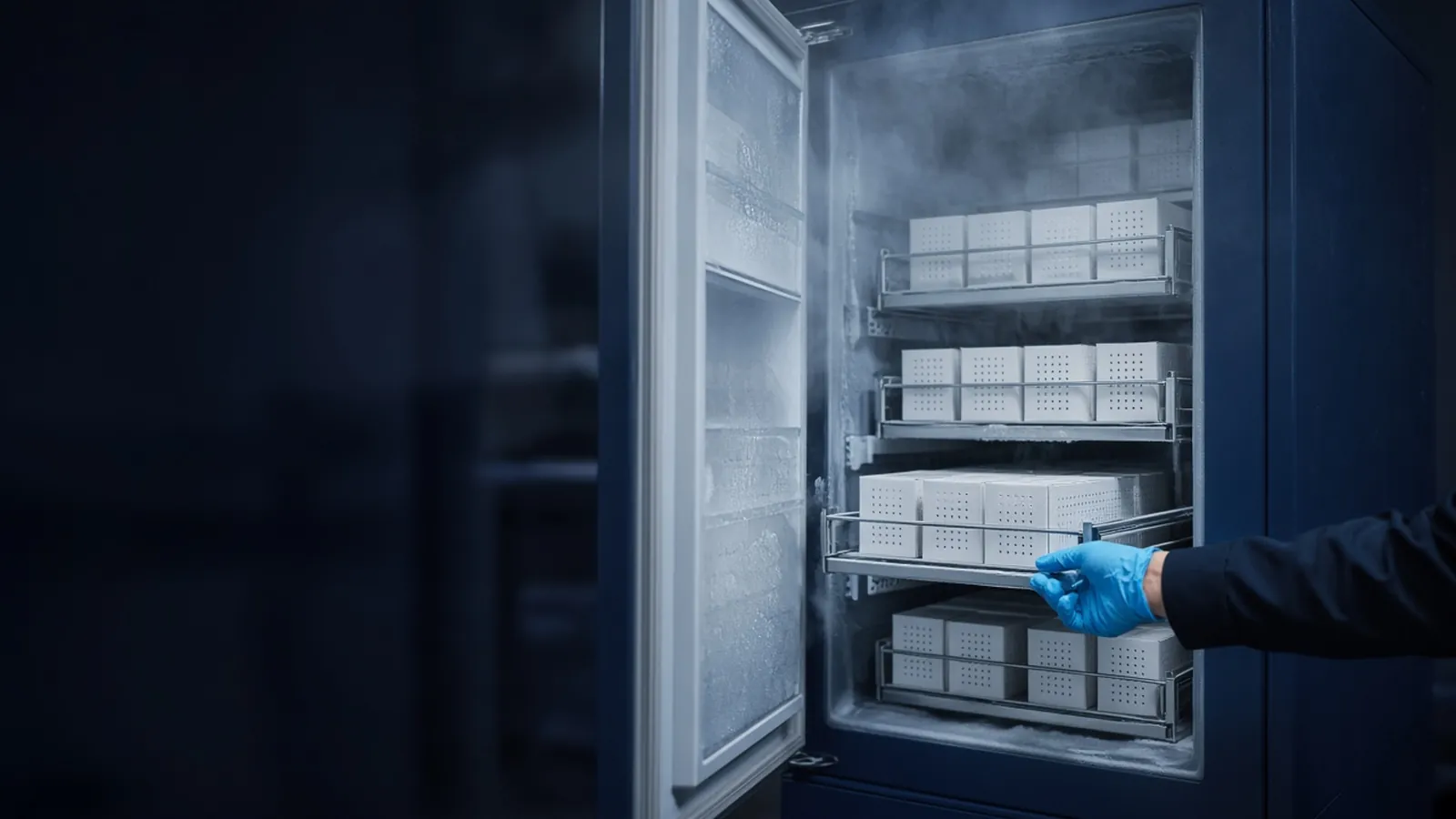 Storing biological samples from fridge to freezerFridge, minus-20, minus-80 and nitrogen storage slow different kinds of damage. A warm box is a quarantine decision, not a hope.
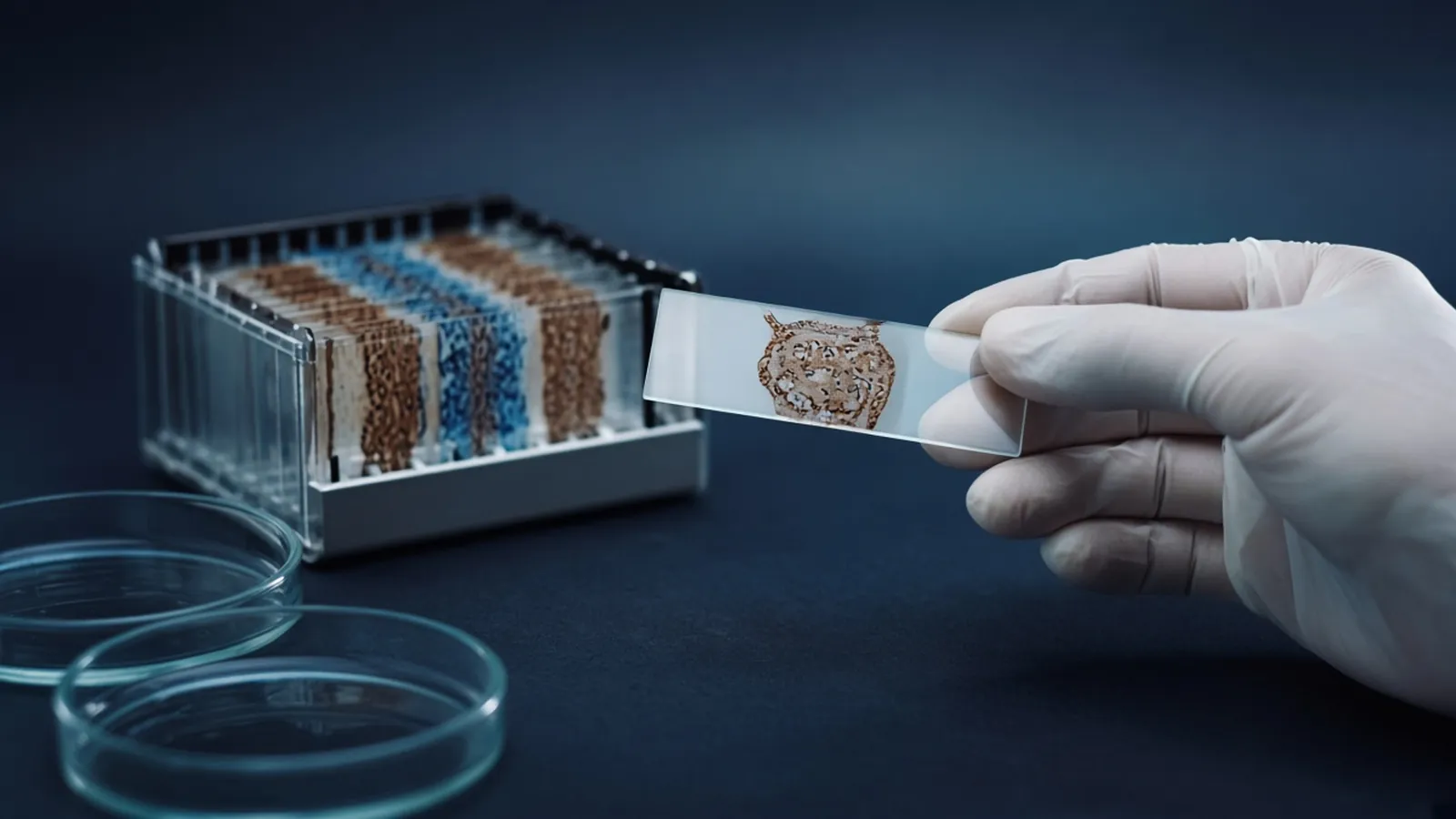 Choosing and checking a primary antibodyHow to choose and check a primary antibody: host, clonality, application claims, and controls that show the signal is the intended target.