

microbiology
Heat shock and electroporation concepts
How to separate a failed heat shock from a failed electroporation when a cloning-strain transformation returns an empty plate.
8 October 2026 · 9 min read
Topic cluster
Bacterial culture, transformation and plating for cloning strains, with selection logic and biosafety boundaries.
26 articles
microbiology
How to separate a failed heat shock from a failed electroporation when a cloning-strain transformation returns an empty plate.
8 October 2026 · 9 min read

microbiology
Routine E. coli cloning cultures are shaken near 37 Celsius so the broth stays aerated. This comparison separates that shaker from a plate incubator and from a
8 October 2026 · 9 min read
microbiology
Inclusion bodies are insoluble aggregates from overexpression. A cooler induction can leave more protein soluble, and a gel of soluble and pellet fractions
8 October 2026 · 10 min read

microbiology
What tryptone, yeast extract and salt actually supply in LB, and how SOB, SOC and defined media change cloning-strain growth.
8 October 2026 · 8 min read
microbiology
A negative-control plate that grows colonies means the label, the drug, or the DNA was wrong. Write the antibiotic and the date on the base so lids cannot swap
8 October 2026 · 9 min read
microbiology
Bacteriophage contamination makes many cloning strains fail together and lingers on surfaces. This guide covers how to recognise the pattern and when to stop.
8 October 2026 · 9 min read

microbiology
What segregational stability means in liquid culture, and why a cloudy cloning-strain flask can still give you no plasmid.
8 October 2026 · 7 min read
microbiology
A useful enzyme or media enquiry names the strain, the recognition or recipe class, the antibiotic, and the documents you need. This page is that checklist.
8 October 2026 · 8 min read
microbiology
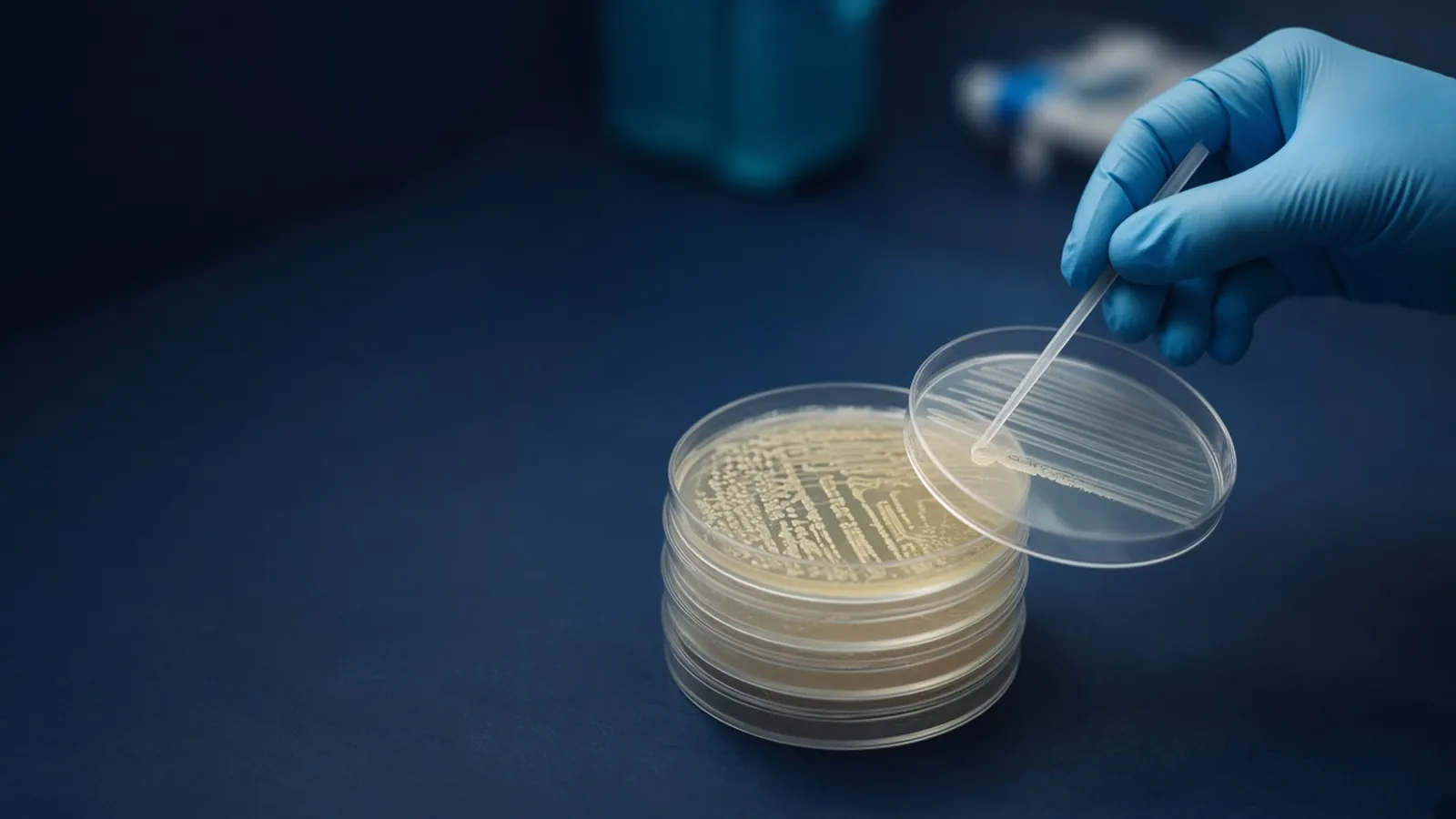
Why tiny colonies ring a large one on ampicillin, and how that halo differs from kanamycin plates poured for cloning strains.
8 October 2026 · 9 min read
microbiology
How aseptic handling of non-pathogenic E. coli cloning strains keeps dust, loops and open lids from turning a plate into a mixed culture.
8 October 2026 · 11 min read
microbiology
A streak dilutes cells across agar until a sector holds colonies that each grew from one cell. This glossary names the pattern, the loop, and a smear.
8 October 2026 · 9 min read
microbiology
A lawn on selective agar usually means the antibiotic failed or far too many cells were plated. Separate those causes before you treat the plate as a success.
8 October 2026 · 10 min read