
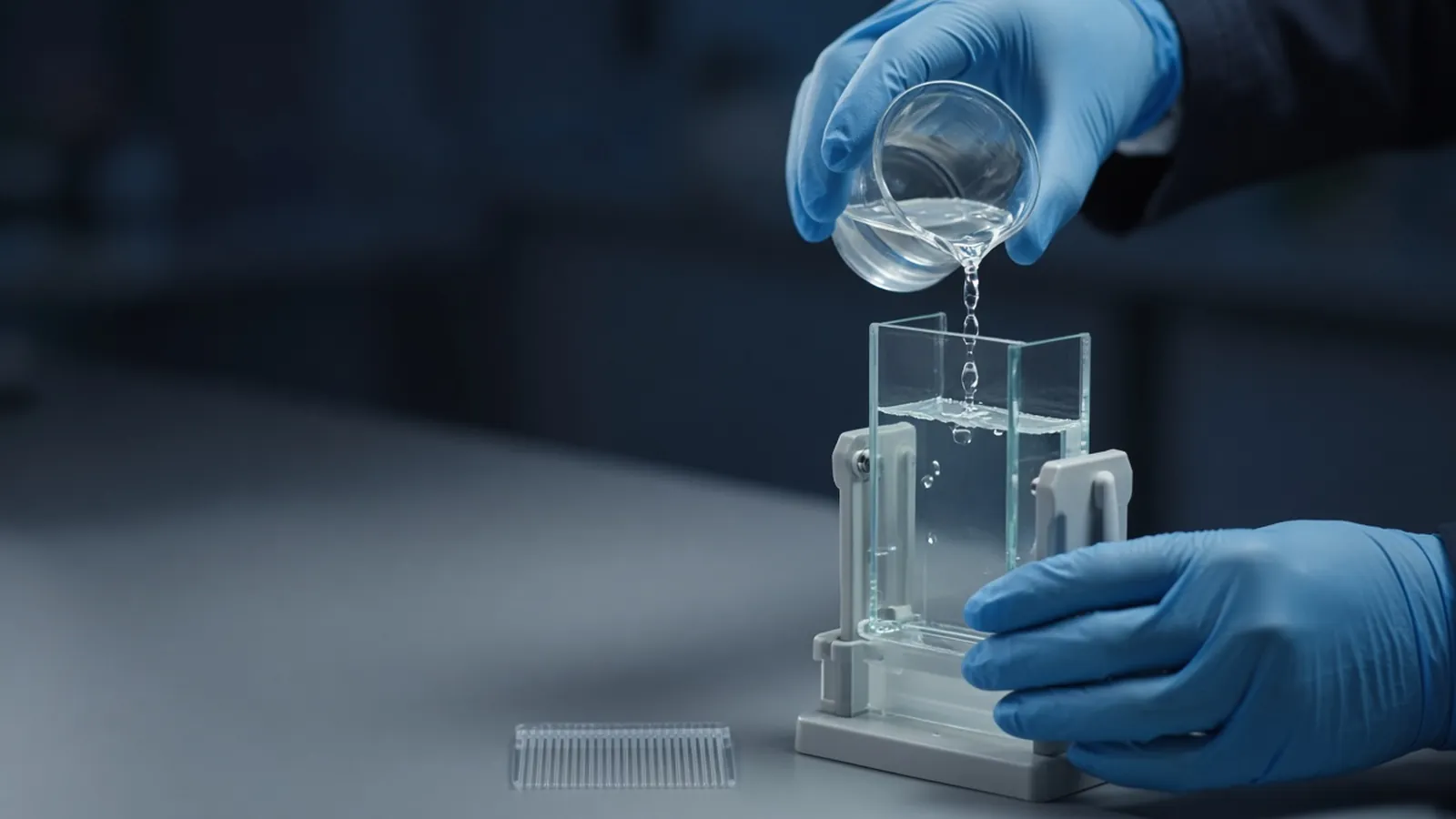
protein biochemistry
Ice buckets and how long a prep really sat out
What to record when a prep is called on ice: clock time, proteases that still work at 4 C, meltwater, and a column stopped by a power cut.
8 October 2026 · 8 min read
Knowledge centre
Guides, method explainers and sourcing notes for research laboratories. Written by the EVRINTH Editorial Team from published methods, with catalogue links for enquiry rather than stock claims.
520 articles
protein biochemistry
What to record when a prep is called on ice: clock time, proteases that still work at 4 C, meltwater, and a column stopped by a power cut.
8 October 2026 · 8 min read
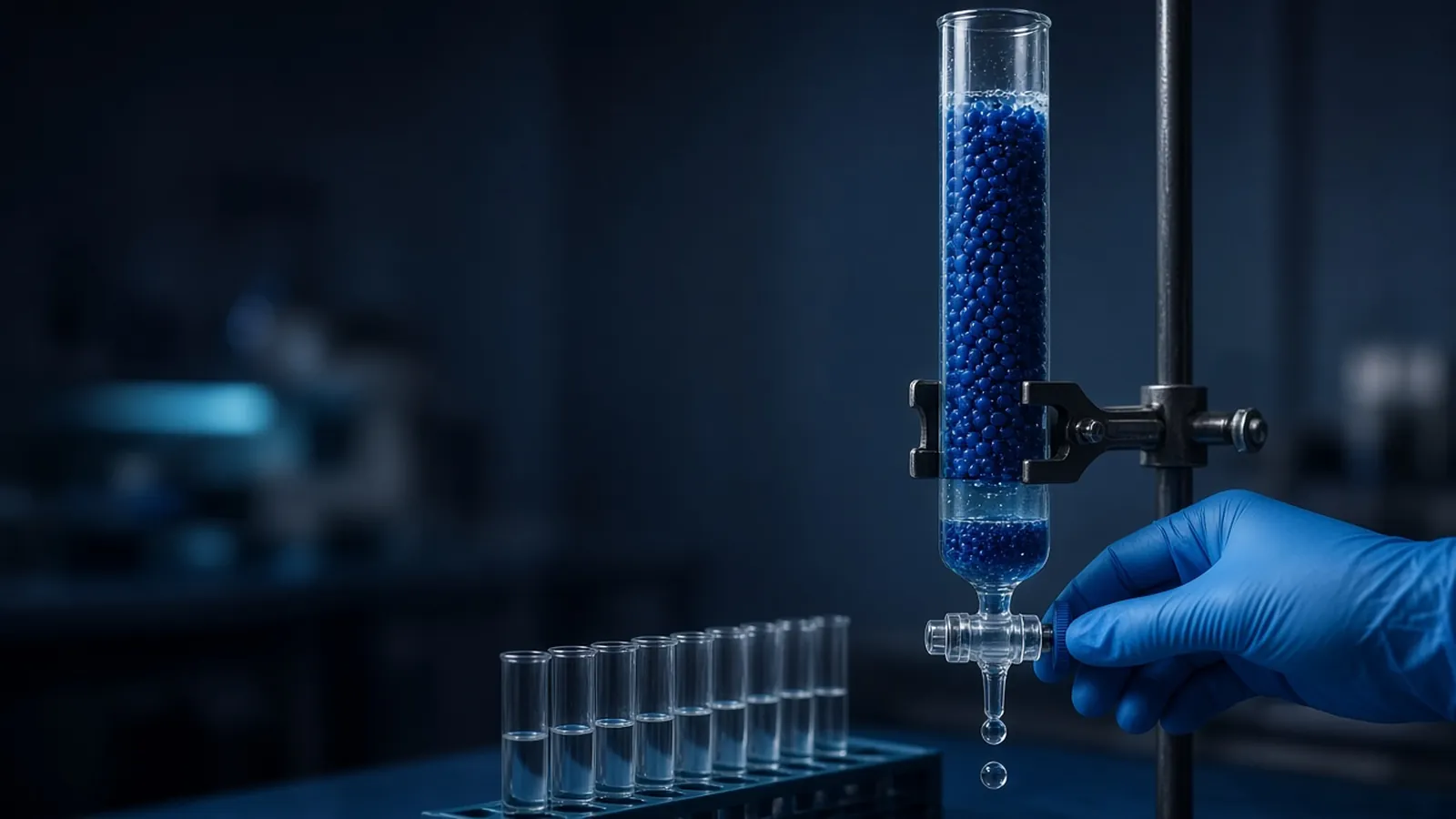
chromatography
Set imidazole for a nickel resin from the manufacturer range: a low-millimolar wash and a higher-millimolar elution, not a guess.
8 October 2026 · 7 min read
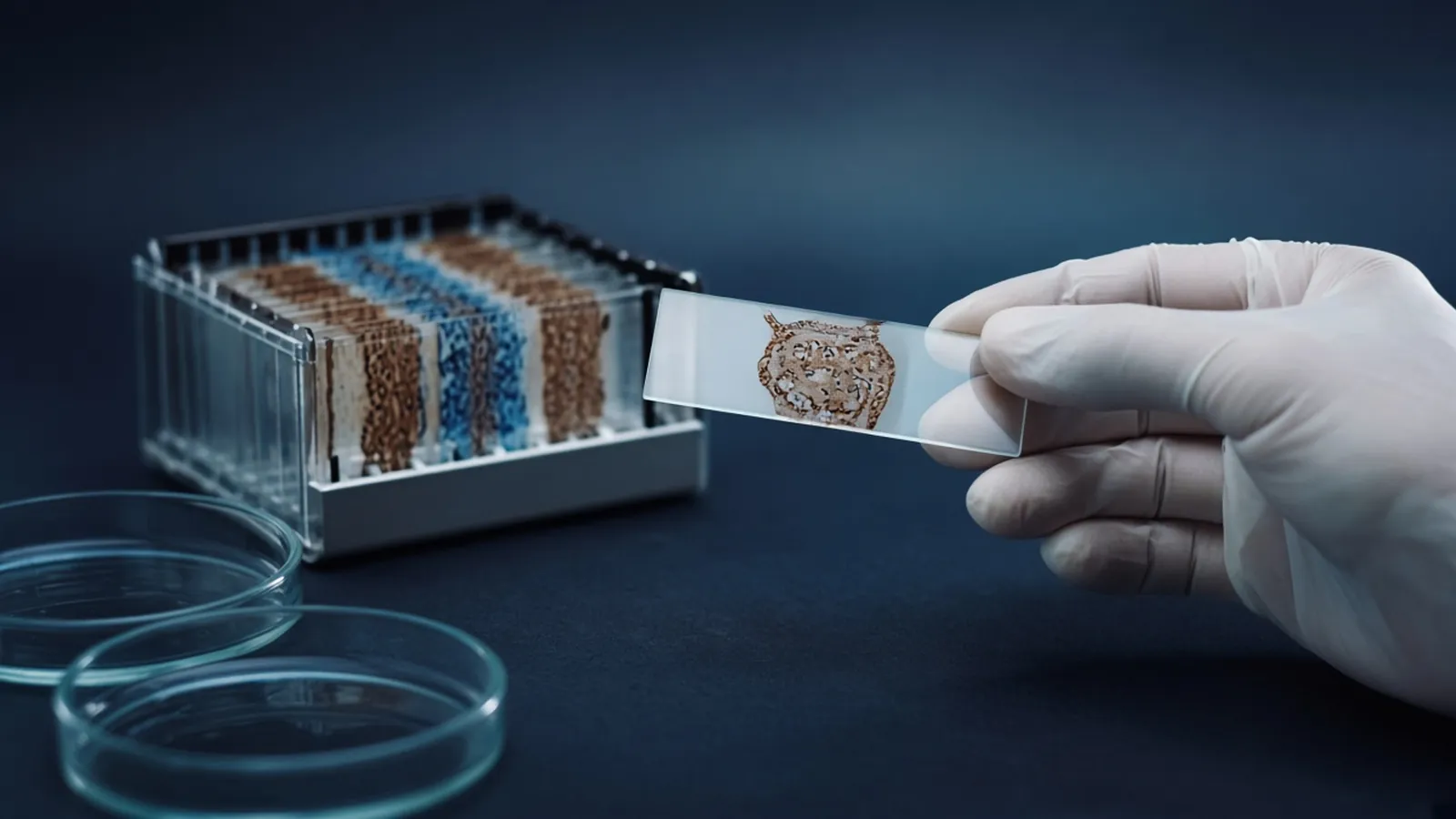
immunoassays
Why an antibody that works in an ELISA can fail on fixed tissue, and which controls make an immunohistochemistry result a research observation.
8 October 2026 · 8 min read

research sourcing
Define the import papers a laboratory should ask to see, and leave the compliance decision with the institution, the carrier, and the authority.
8 October 2026 · 8 min read
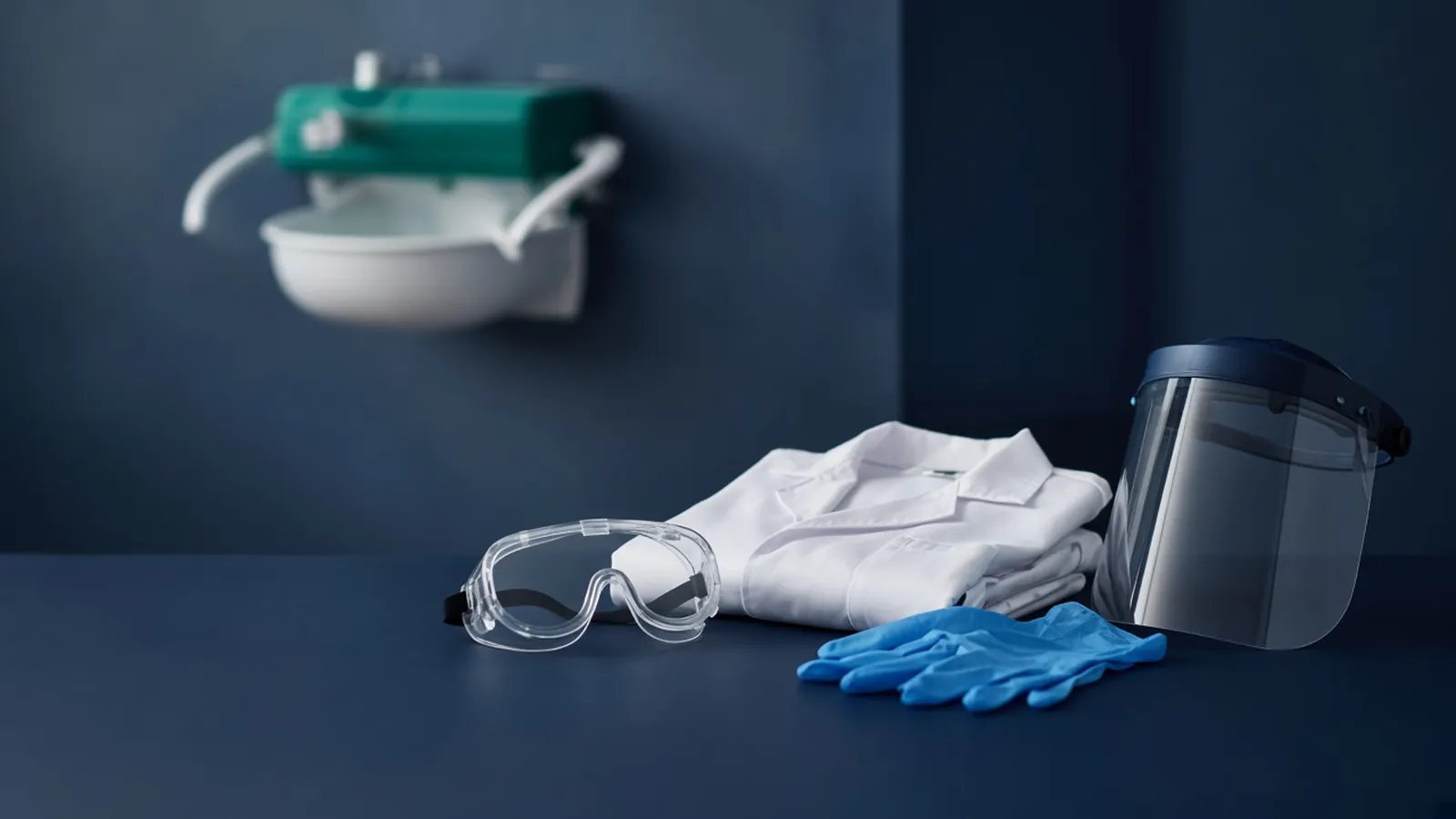
laboratory safety
Incident, exposure, route, and corrective action are different words. This glossary shows what a useful report contains and what blame leaves out.
8 October 2026 · 8 min read
protein biochemistry
An inclusion body is insoluble expression, not proof a protein can never fold. Refolding is empirical, and activity rather than a band shows success.
8 October 2026 · 7 min read
microbiology
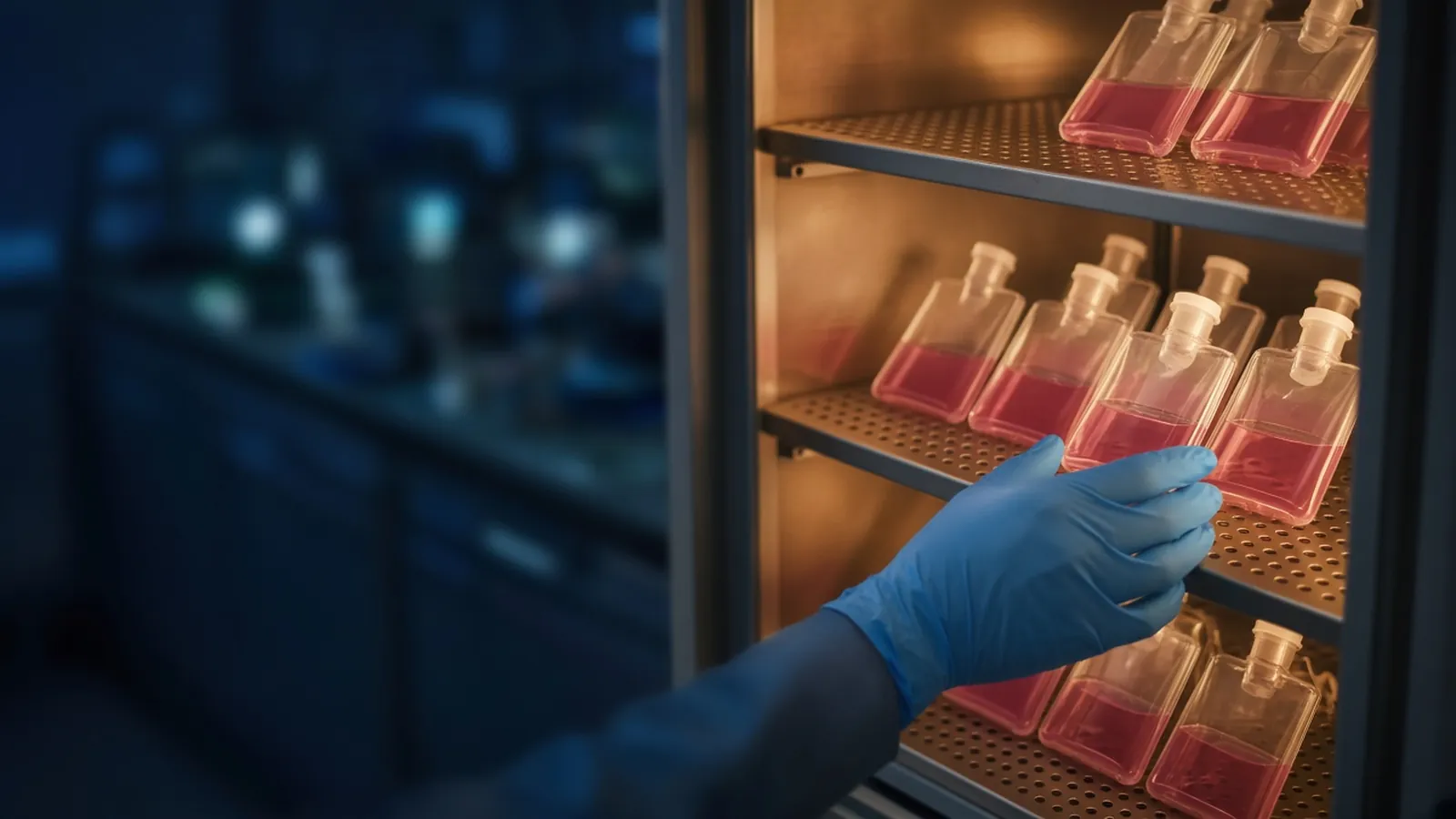
Routine E. coli cloning cultures are shaken near 37 Celsius so the broth stays aerated. This comparison separates that shaker from a plate incubator and from a CO2 box.
8 October 2026 · 9 min read
genome editing
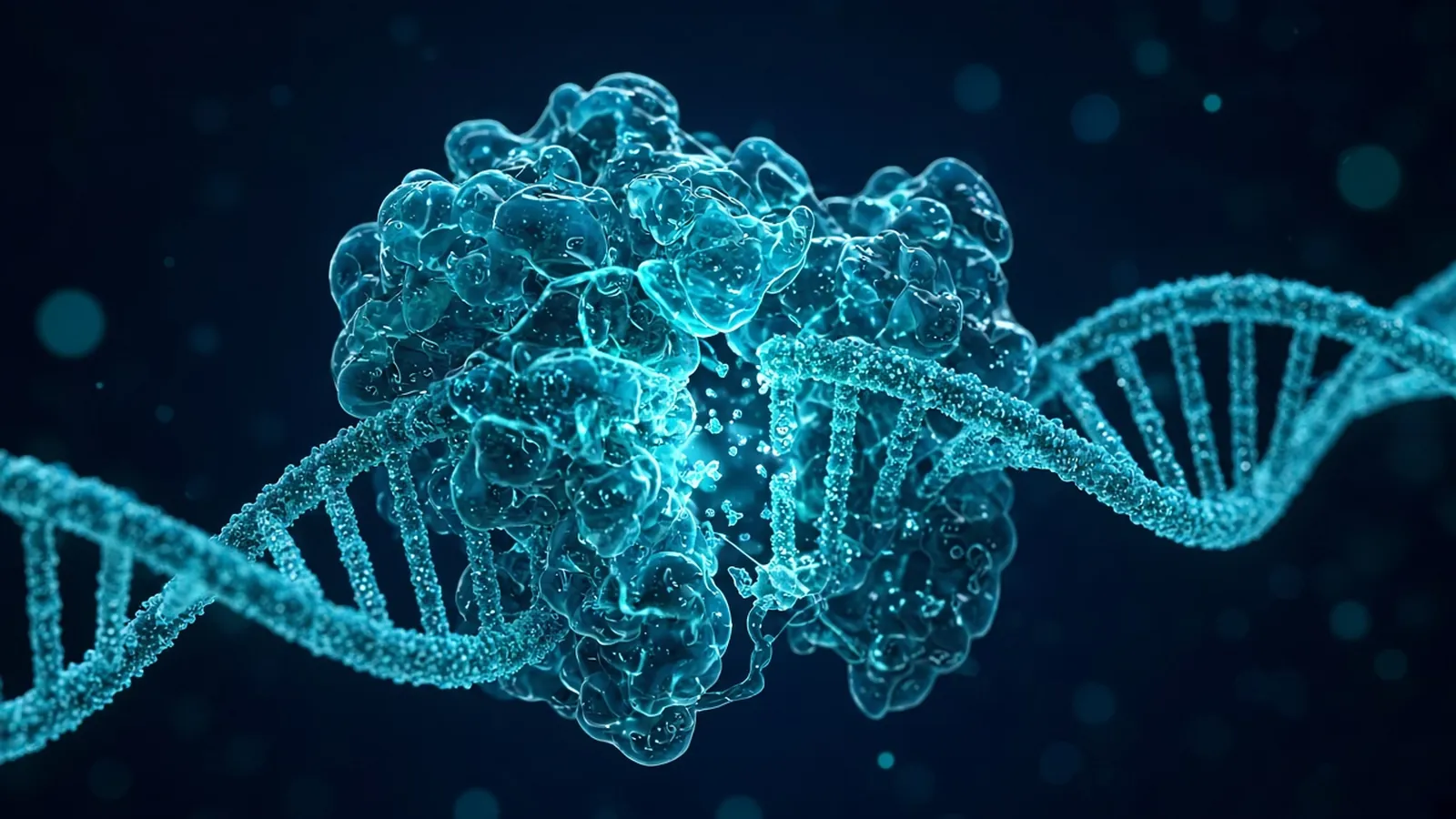
An indel, a frameshift and a missing protein are three claims. Nonsense-mediated decay, exon skipping and extra gene copies keep them apart.
8 October 2026 · 9 min read
dna sequencing
Same index twice, indexes one edit apart, and sheets written as the reverse complement. How those collisions misassign reads in a multiplexed pool.
8 October 2026 · 8 min read
microbiology
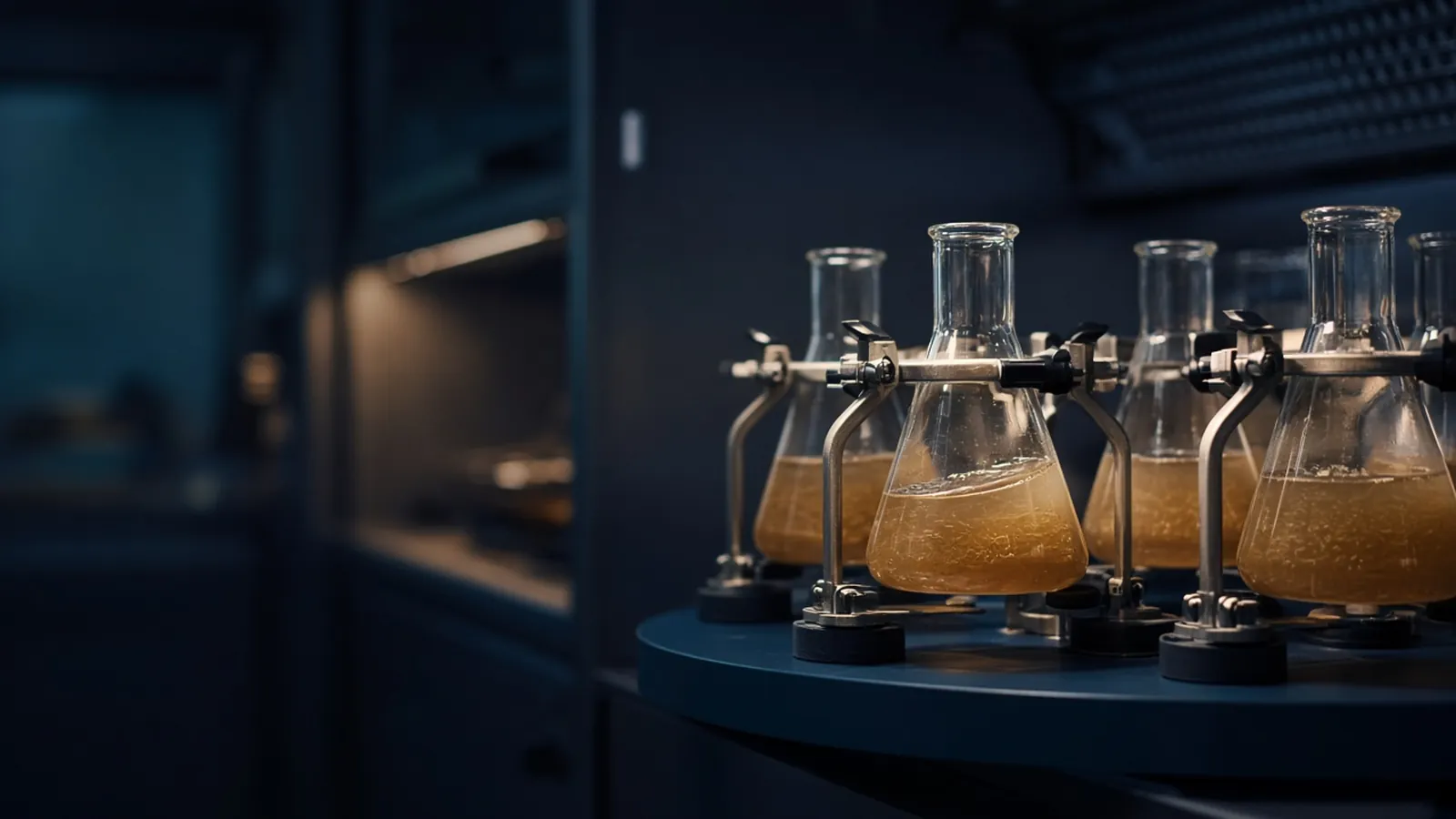
Inclusion bodies are insoluble aggregates from overexpression. A cooler induction can leave more protein soluble, and a gel of soluble and pellet fractions shows which.
8 October 2026 · 10 min read
gene expression
How late, early or impossible Cq values point to inhibition, primer-dimer or a failed control, and which check separates those causes.
8 October 2026 · 9 min read
pcr amplification
Separate a true PCR negative from a dead tube when heme, humic acids, ethanol, guanidine, heparin, bile salts or excess DNA may be present.
8 October 2026 · 8 min read