
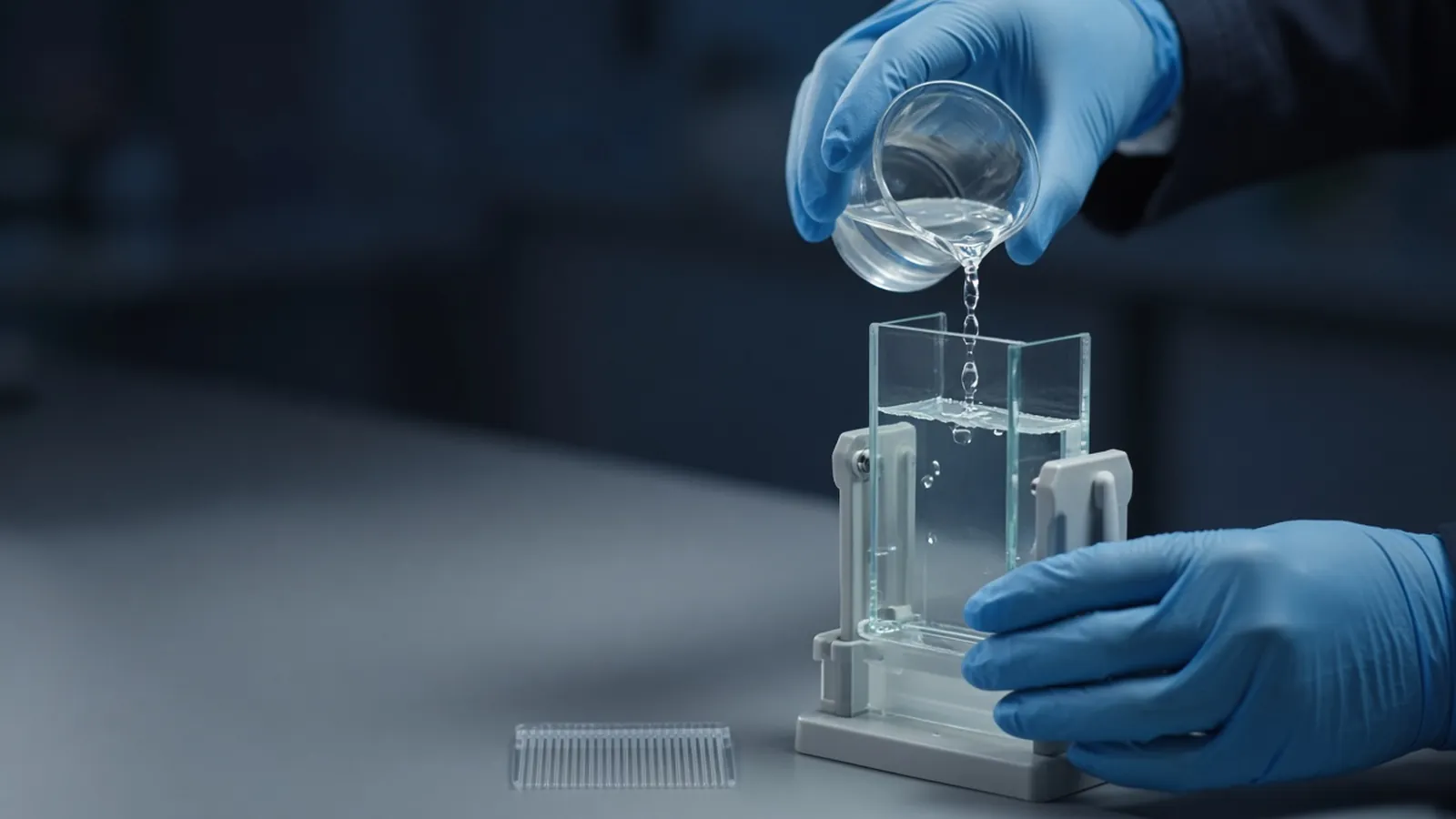
protein biochemistry
Documenting a purification so it can be repeated
Which buffer pH, resin lot, gradient, gel, yield assay and tube location another person needs before a purification can be repeated.
8 October 2026 · 7 min read
Knowledge centre
Guides, method explainers and sourcing notes for research laboratories. Written by the EVRINTH Editorial Team from published methods, with catalogue links for enquiry rather than stock claims.
520 articles
protein biochemistry
Which buffer pH, resin lot, gradient, gel, yield assay and tube location another person needs before a purification can be repeated.
8 October 2026 · 7 min read
genome editing
ssODN, linear dsDNA and plasmid donors carry different knock-ins. Homology-arm figures here are planning ranges to take back to the method paper.
8 October 2026 · 9 min read

cytometry and microscopy
How pulse width and area versus height reveal doublets, and why a coincident pair can inflate a rare double-positive count.
8 October 2026 · 7 min read
cold chain
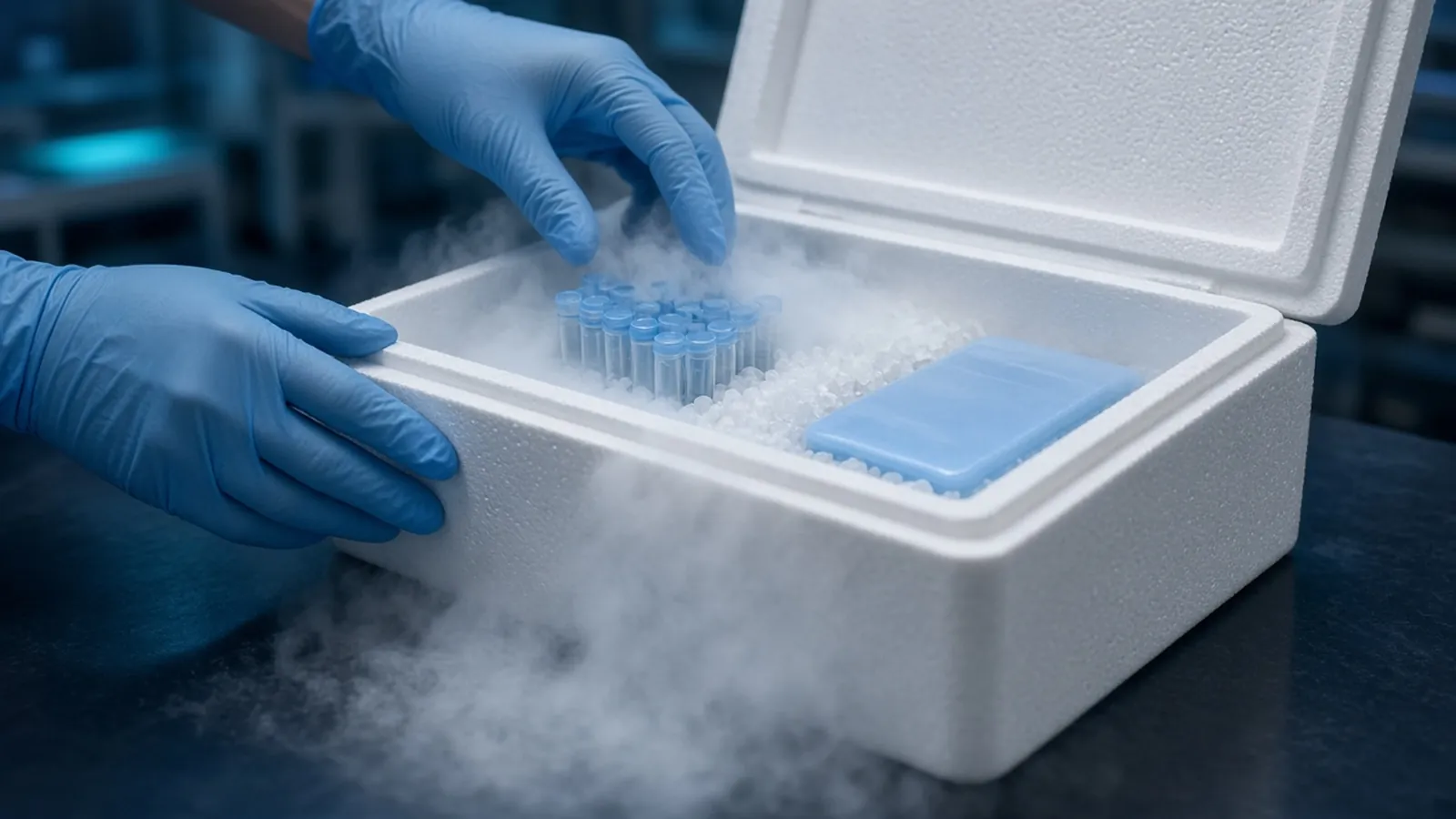
Dry ice is solid carbon dioxide that sublimes near minus 78.5 °C. It is not a gel pack, and it does not cool by melting into a liquid.
8 October 2026 · 9 min read
cold chain
Dry ice keeps non-infectious research samples cold and can burn skin or displace air. Carrier rules and infectious-substance law still govern shipping.
8 October 2026 · 11 min read
immunoassays
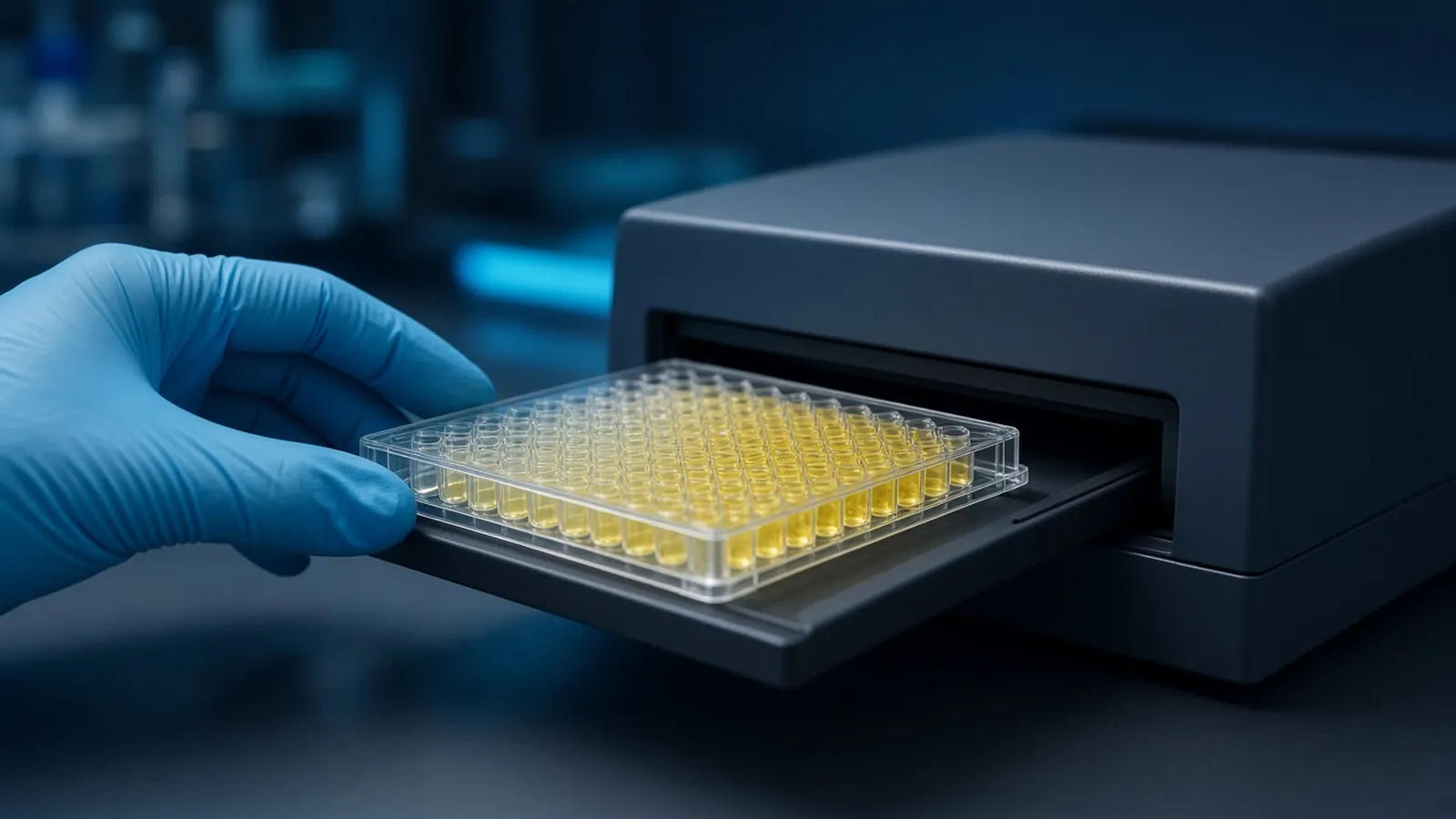
Outer wells lose volume and drift in temperature compared with the centre. Compare seals, humidity and layout before you treat an edge well as biology.
8 October 2026 · 11 min read
genome editing
Bacterial editing usually needs homology and counterselection because end joining is rare. Mammalian cells mostly repair cuts by end joining, and HDR is cell-cycle limited.
8 October 2026 · 8 min read
genome editing
A pool is a mixture of genotypes. A single-cell clone can support one genome claim. Choose by whether the phenotype and the cells survive cloning.
8 October 2026 · 10 min read
Pillar · immunoassays
ELISA formats, controls and readout: how direct, sandwich and competitive assays turn a binding event into a number that stays inside the curve.
8 October 2026 · 8 min read
cell culture
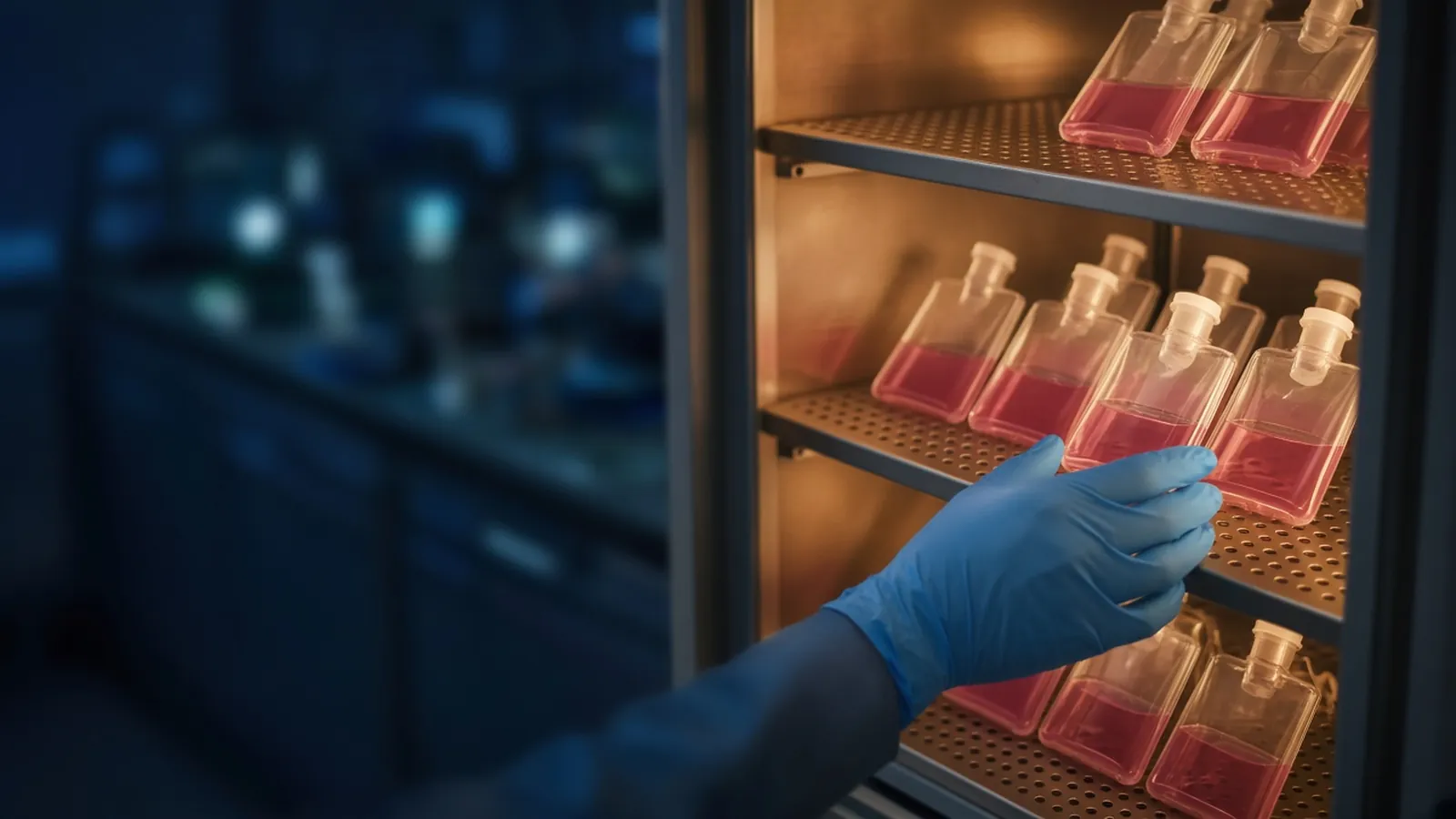
Why lipopolysaccharide can activate primary monocytes or macrophages that an epithelial line ignores, and which reagent classes to suspect first.
8 October 2026 · 7 min read
protein biochemistry
Why a clean SDS-PAGE lane leaves endotoxin unmeasured, when an LAL-class assay is the right extra question, and why removal is its own process.
8 October 2026 · 7 min read
pcr amplification
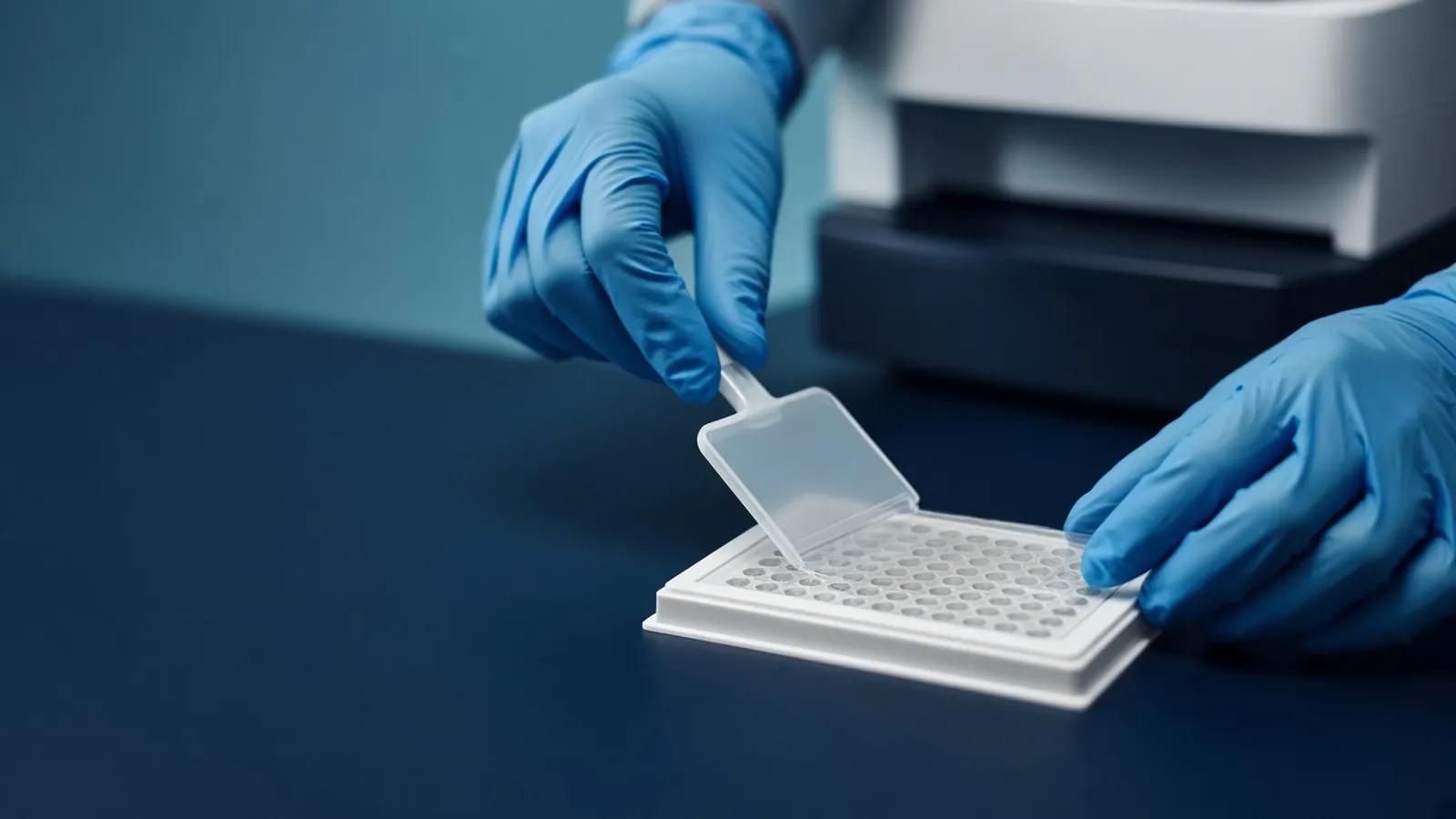
Trace the failure when endpoint band brightness is treated as a quantity, or a qPCR Cq is used with no standard and no reference-gene plan.
8 October 2026 · 8 min read