

labware
Volumetric flasks and class A markings
How to use a Class A or Class B volumetric flask, including to contain or to deliver, the reference temperature, and the meniscus.
8 October 2026 · 8 min read
Knowledge centre
Guides, method explainers and sourcing notes for research laboratories. Written by the EVRINTH Editorial Team from published methods, with catalogue links for enquiry rather than stock claims.
520 articles
labware
How to use a Class A or Class B volumetric flask, including to contain or to deliver, the reference temperature, and the meniscus.
8 October 2026 · 8 min read
buffers and water
A volumetric flask is calibrated at a stated temperature, often 20 °C. Dissolving below the mark and topping a beaker by eye are different kinds of promise.
8 October 2026 · 8 min read
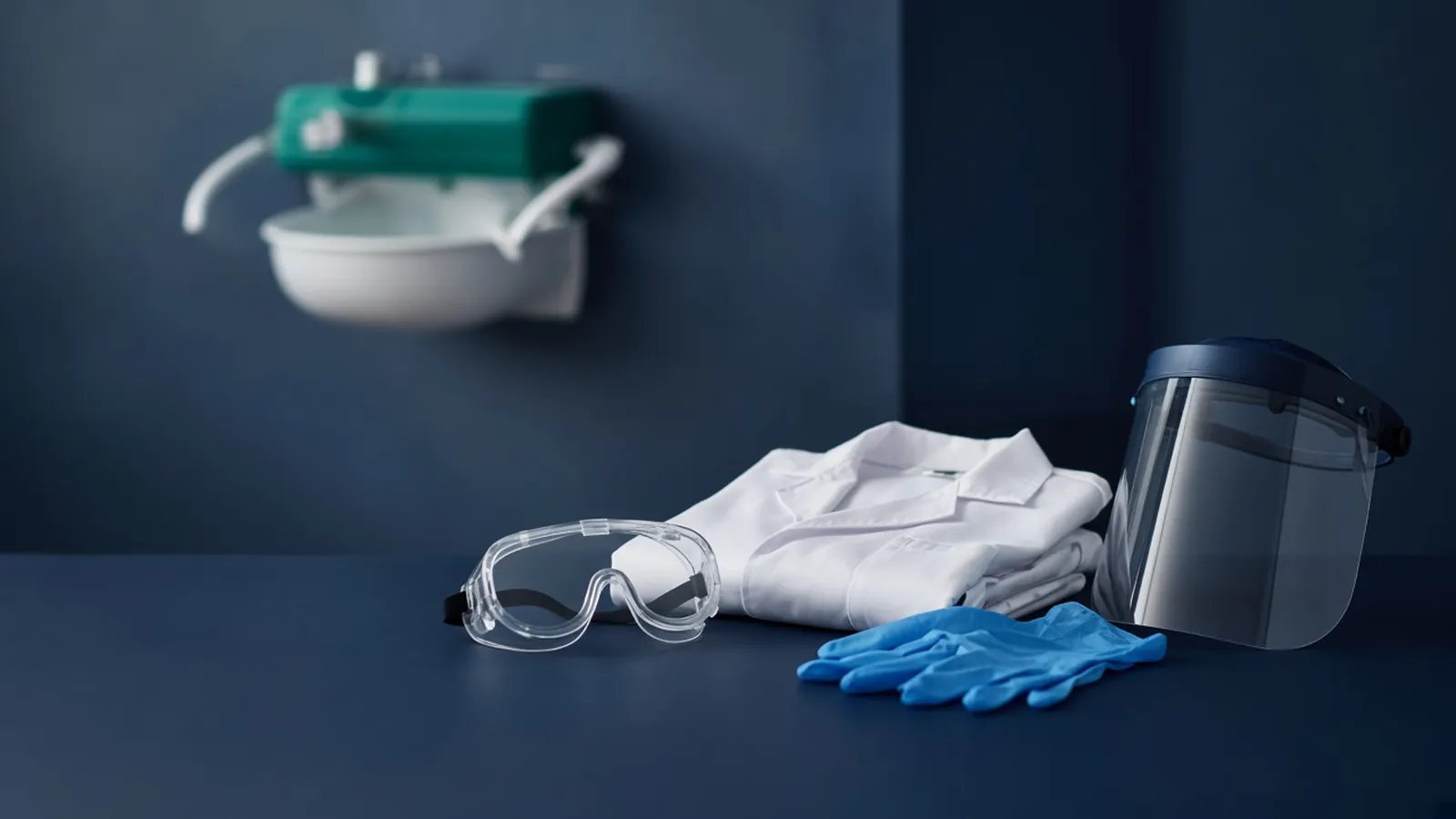
laboratory safety
Chemical, biological, sharps, and ordinary waste fail when they share a container. Follow one afternoon and see where the streams must stay apart.
8 October 2026 · 8 min read
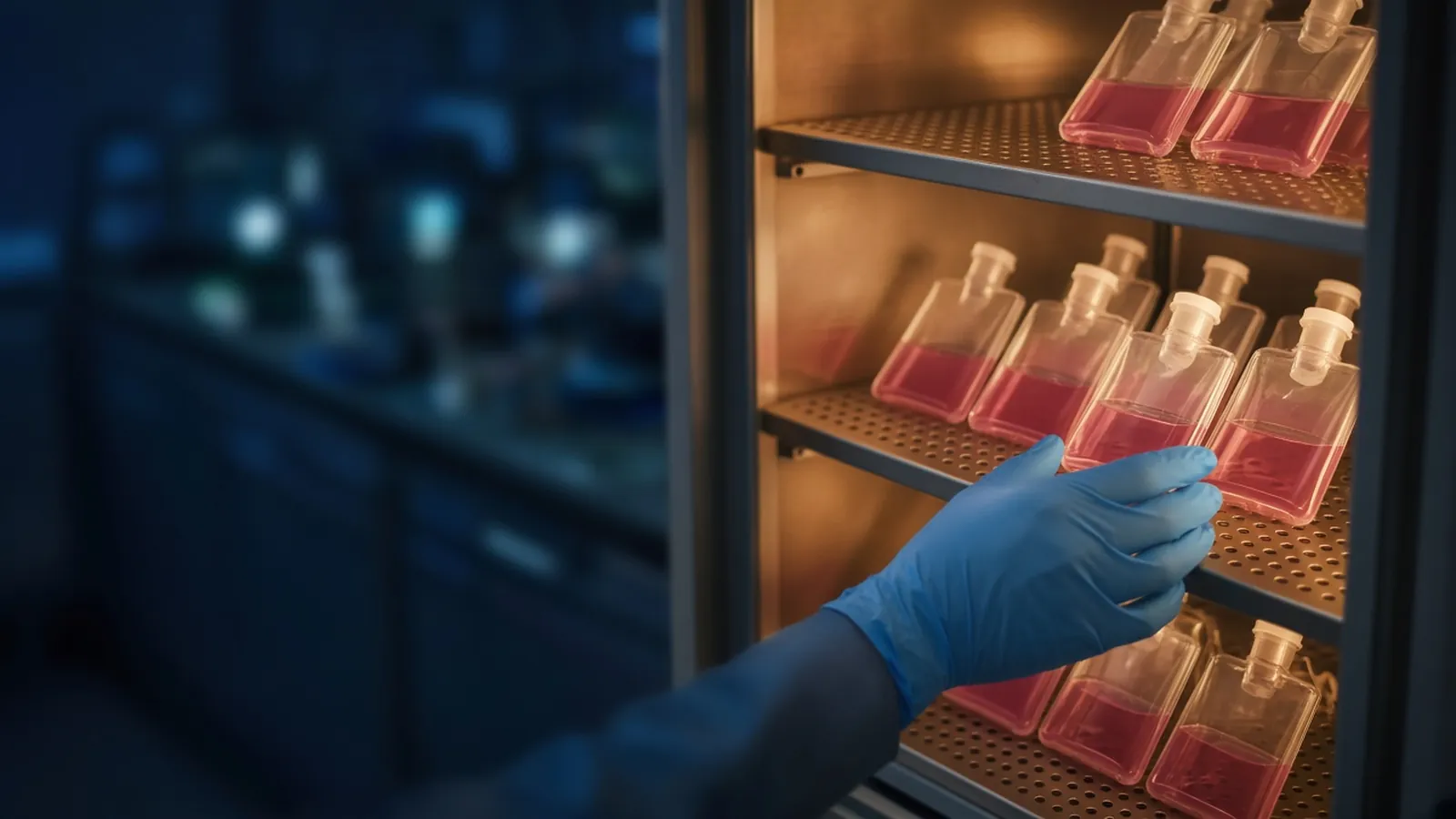
cell culture
How a warm water bath seeds a culture: from the water, onto a vial thread, into the cabinet and then the flask, and which thaw classes avoid shared water.
8 October 2026 · 8 min read
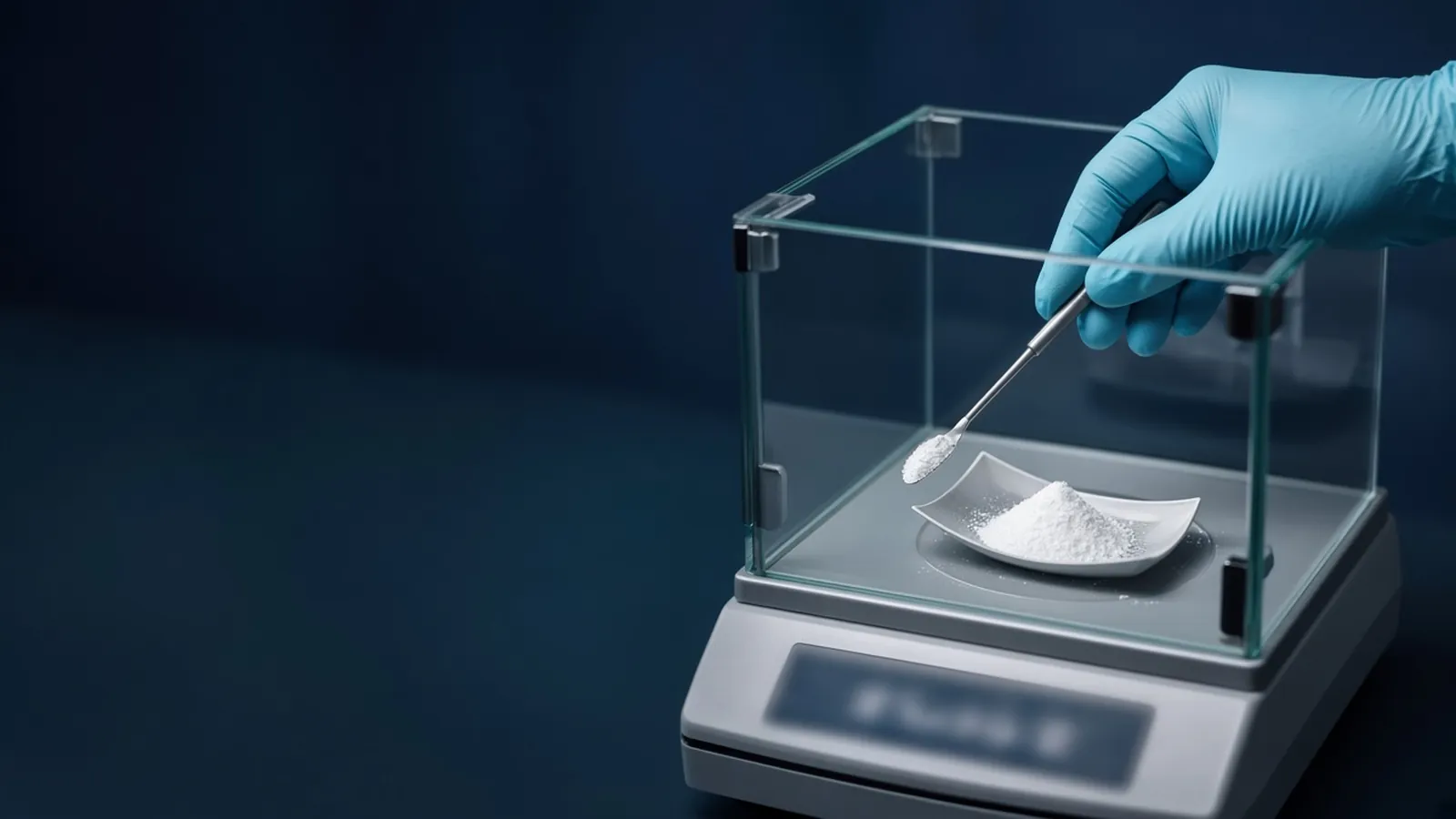
buffers and water
Weigh the hydrate printed on the bottle. Humidity adds water to the pan, and an invented drying step can destroy the solid you meant to keep.
8 October 2026 · 9 min read
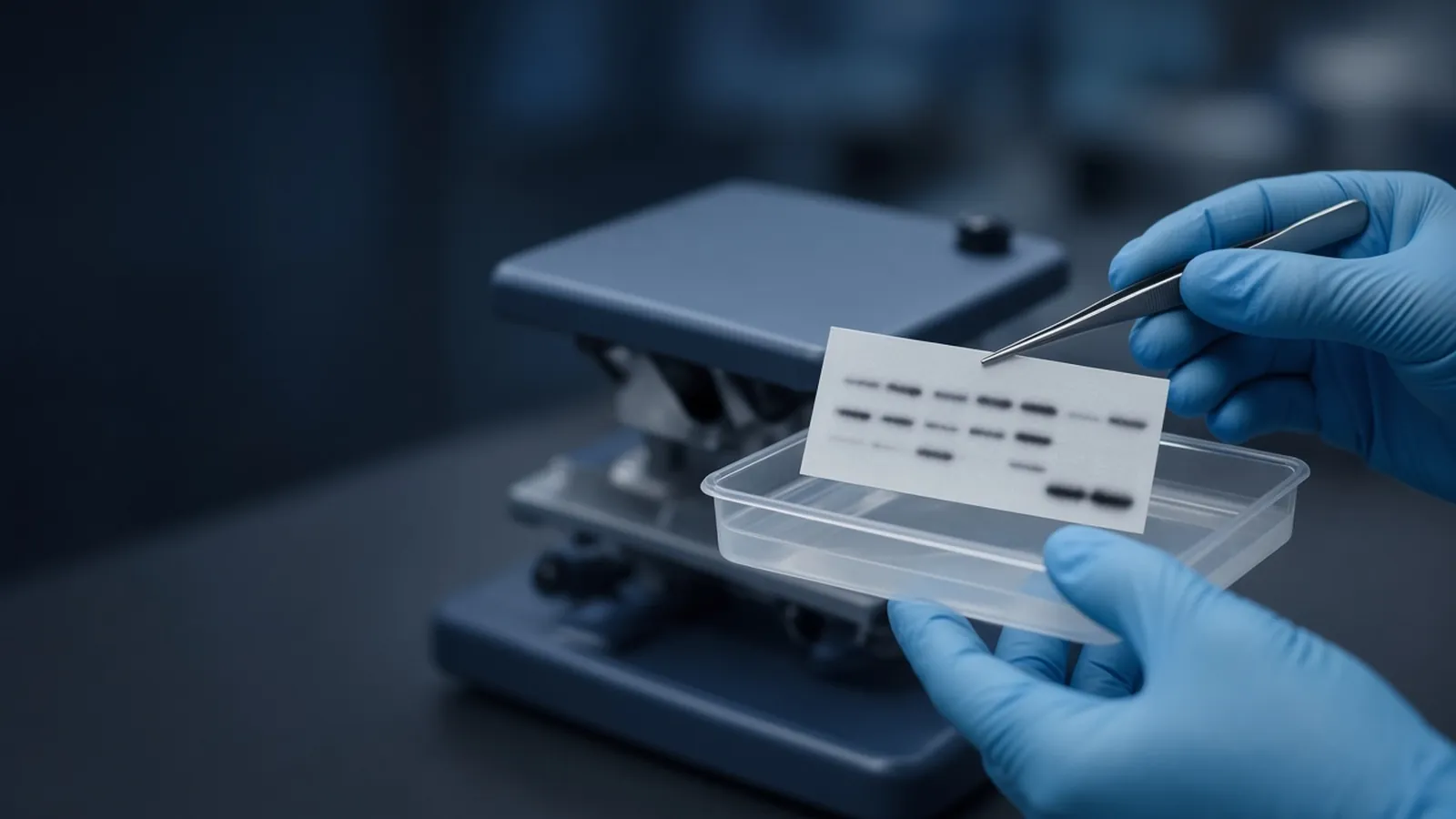
immunoassays
What a western blot band can and cannot say about antibody specificity, and which extra lanes make an ELISA claim safer to defend.
8 October 2026 · 8 min read
gels and blotting
How a protein moves from an SDS gel onto a membrane, how antibodies create a band, and which controls separate transfer failure from a real signal.
8 October 2026 · 8 min read
nucleic acid purification
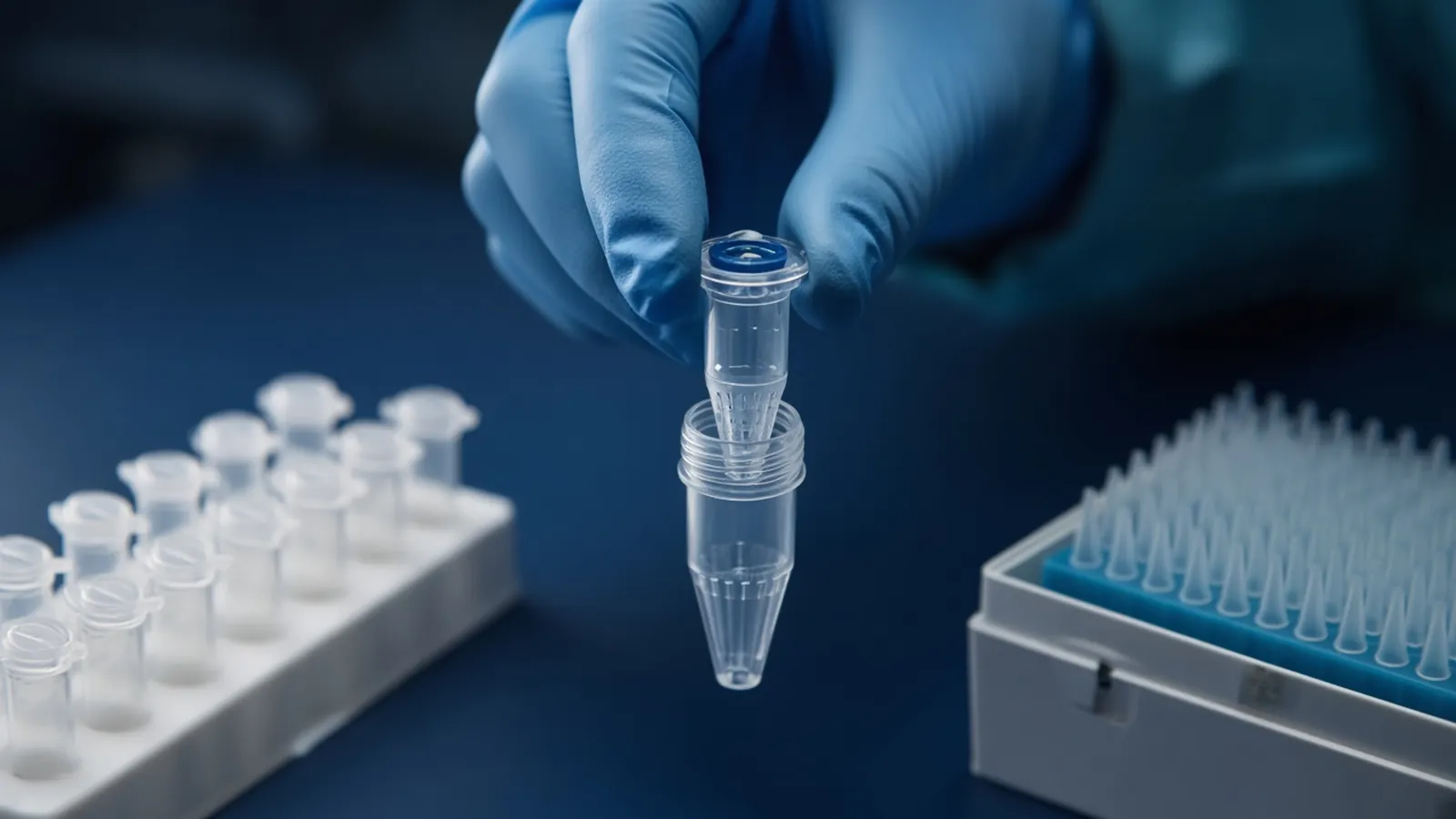
Read a 260/280 ratio as a protein-contamination hint, and see why the number cannot prove integrity, species identity, or that a later PCR will succeed.
8 October 2026 · 9 min read
liquid handling
Read a pipette certificate for date, reference, volumes, and errors, and judge when a later drop or heavy use ends that claim.
8 October 2026 · 7 min read

chromatography
Decide what a chromatogram can support: a detector trace versus time or volume, and why one peak is not a purity result.
8 October 2026 · 8 min read
gene expression
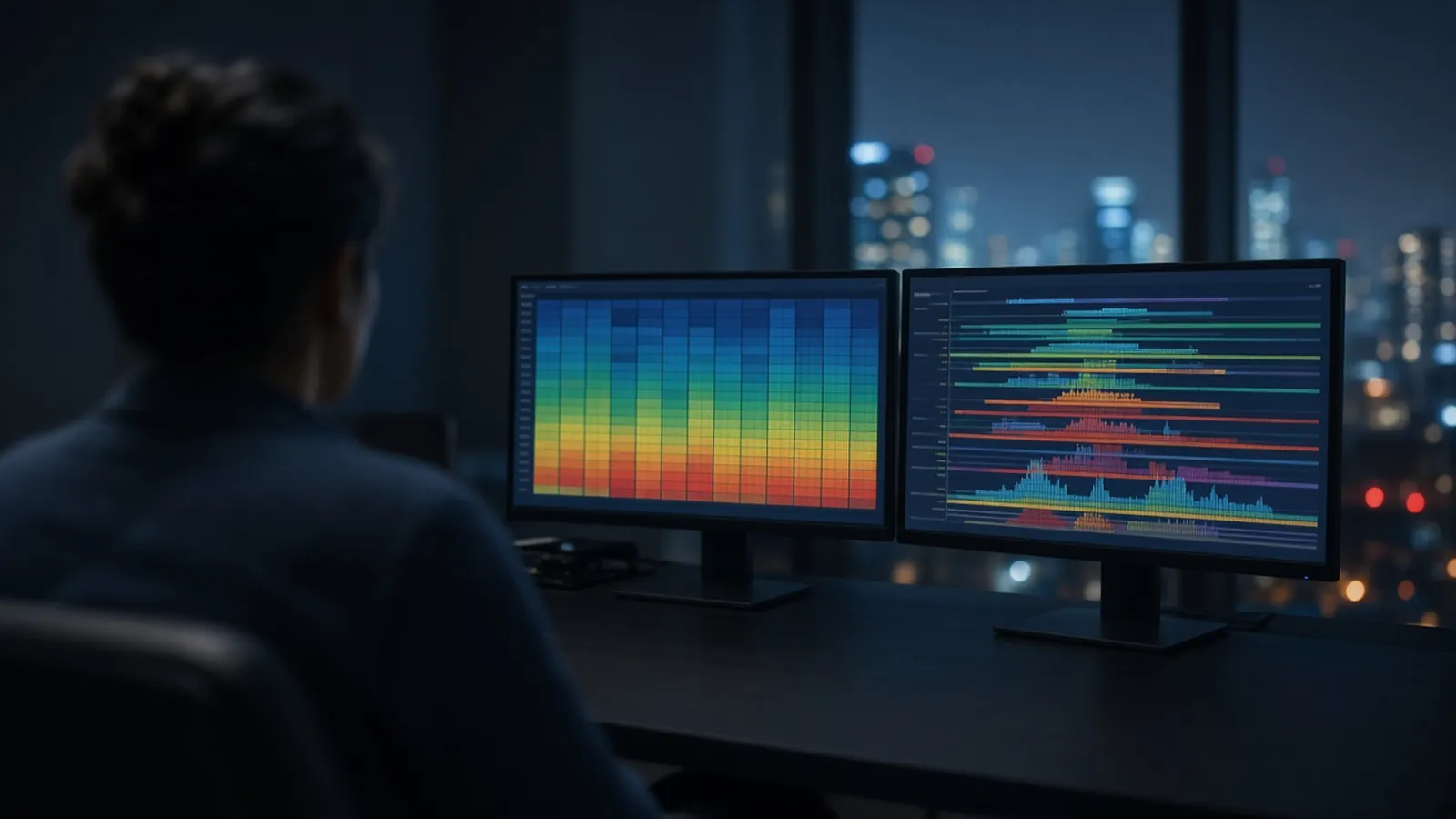
Which columns in a differential expression table a biologist should question, including fold-change sign, adjusted p and identifier collisions.
8 October 2026 · 9 min read

proteomics
A proteomics report a second lab can audit names groups, digestion, the database version, FDR cut-offs, normalisation and the missing-value rule.
8 October 2026 · 8 min read